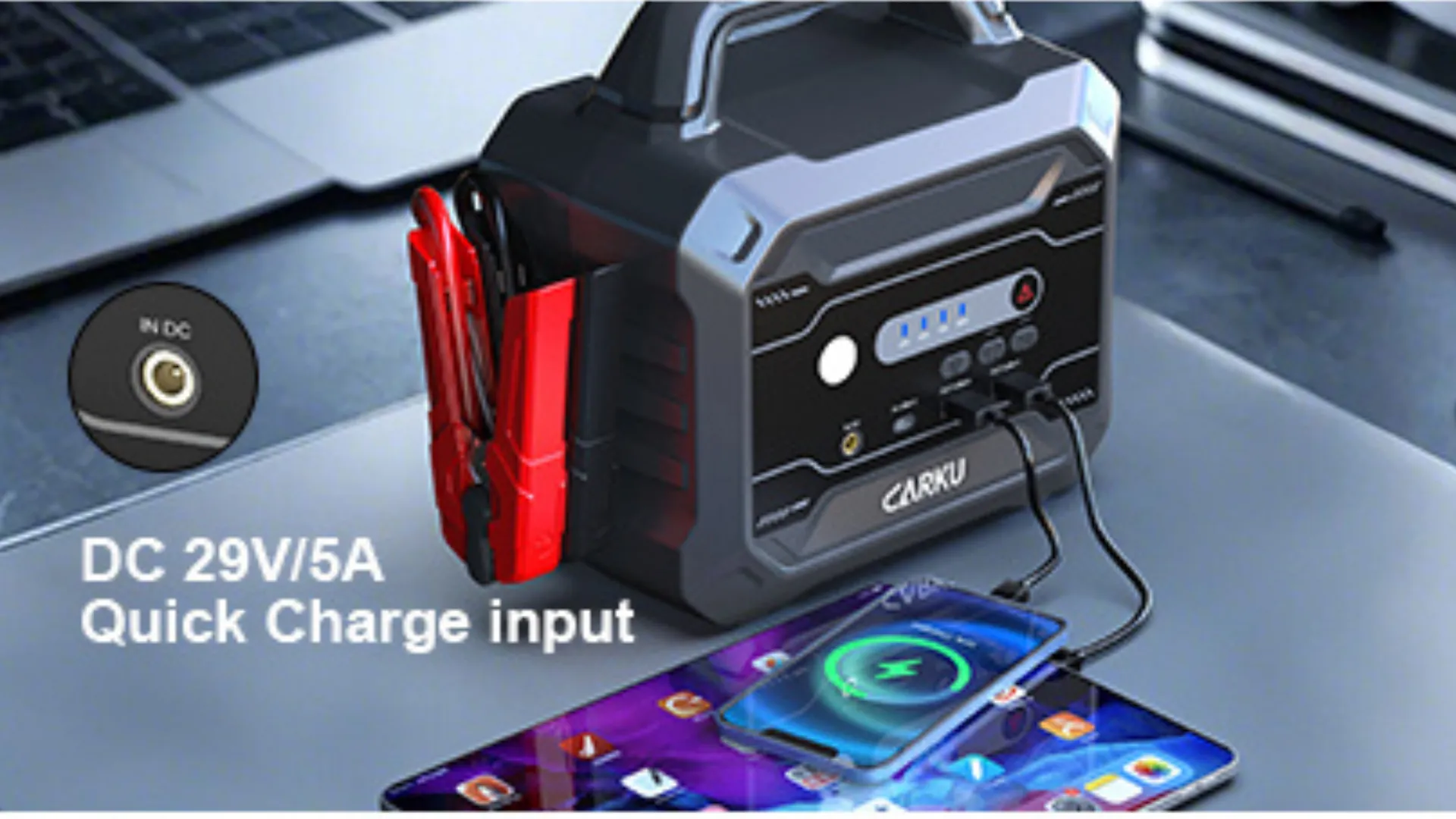
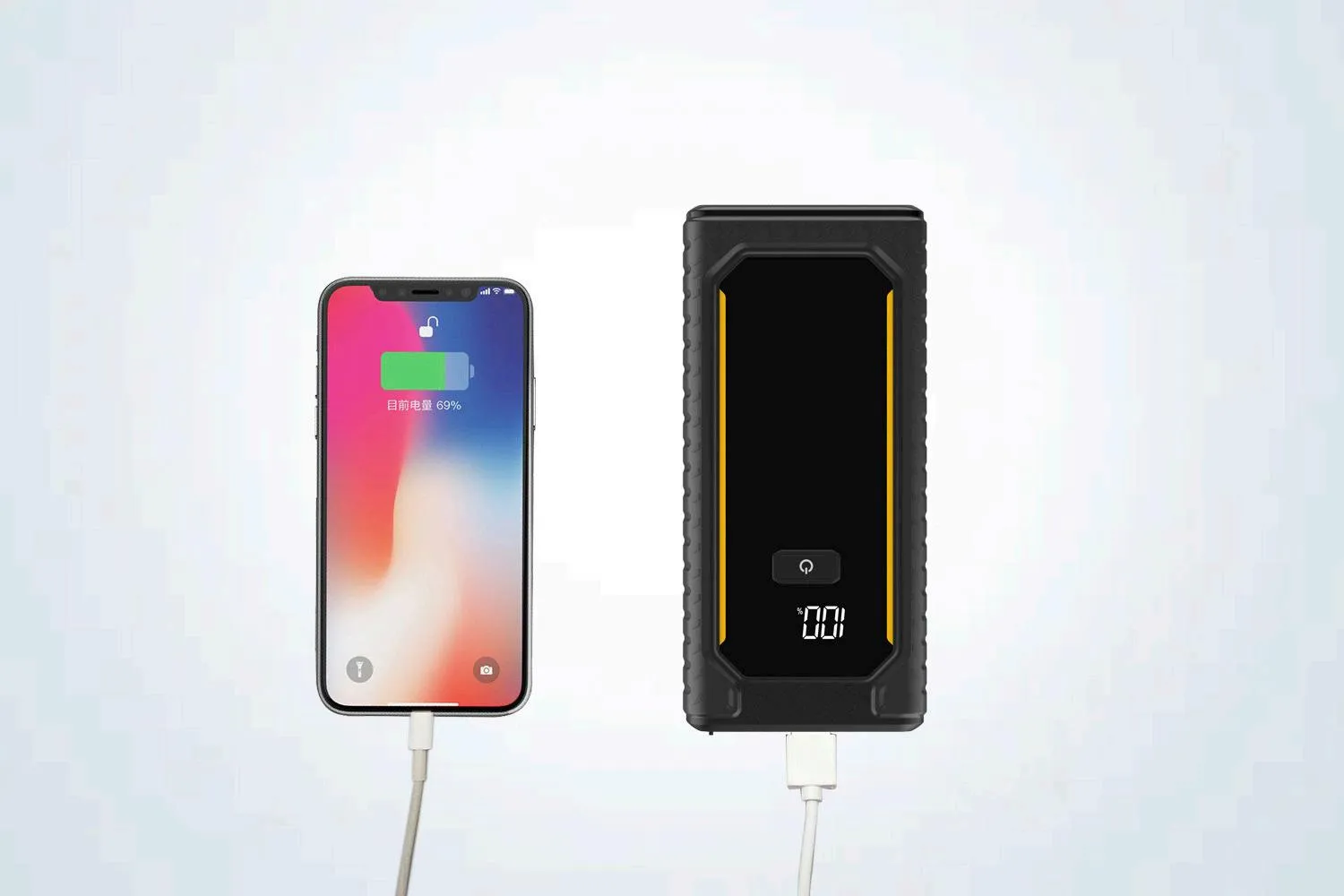
Most people only realize the value of reliable backup power after experiencing a blackout or losing electricity during camping. In reality, choosing a portable power station in advance brings far more peace of mind than scrambling for emergency batteries afterward.
Compared with fuel generators, a portable power station runs silently, produces zero emissions, and is safe for indoor use. And unlike many “solar generator” marketing concepts, a well-designed portable power station is simply a flexible energy platform—able to recharge from wall outlets, vehicles, or solar panels, and adapt to far more scenarios than emergency use alone.
That’s why mid-capacity portable power station around 1408Wh have become the first choice for many users: powerful enough to support multiple nights of essential loads, yet still light enough for one-person handling. It’s the balance point between portability and real-world endurance.
Portable Power Station for Home Backup: Quiet Power When the Grid Goes Down
During short outages caused by storms, maintenance, or grid instability, a portable power station provides seamless, quiet backup power—just plug in and continue daily life without noise or fumes.
With around 90% usable capacity (~1267Wh) from a 1408Wh power station, users can reliably support essential devices:
-
Refrigerator (~100W): ~12 hours (often longer due to compressor cycling)
-
Wi-Fi router (~10W): up to ~126 hours
-
LED home lighting (~15W): over 80 hours
Unlike fuel generators, portable power stations are indoor-safe, silent, and require no fuel or maintenance.
Medical Backup: CPAP Power You Can Trust
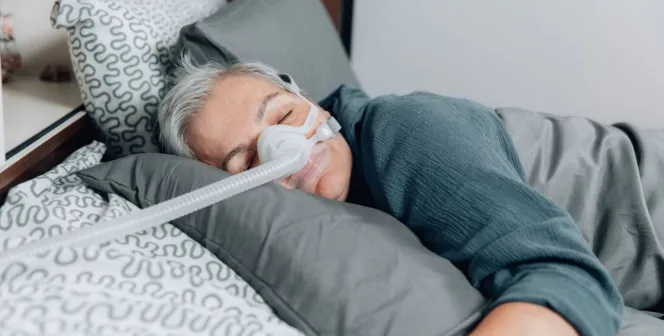
For CPAP users, power loss is more than an inconvenience—it’s a health risk. A typical CPAP draws 40–60W, allowing a 1408Wh power station to deliver 21–31 hours of runtime, or 2–4 full nights of therapy. The silent, emission-free operation makes it safe to use beside the bed, ensuring uninterrupted sleep during outages or off-grid stays.
Off-Grid Living, Work, and Mobility
Beyond home backup, portable power stations adapt easily to mobile lifestyles and outdoor use:
-
Camping & car living: car fridges (40–60W) run ~25 hours; CPAP, lights, and phone charging last 15–16 hours
-
Outdoor work & events: power tools (intermittent use), LED lighting, PA systems for 12–25 hours
-
Travel & mobile office: laptops, monitors, cameras, and devices run reliably across multiple days
With no noise, fumes, or operating restrictions, they are suitable for campsites, urban projects, exhibitions, and remote work.
Green Energy & Solar Integration
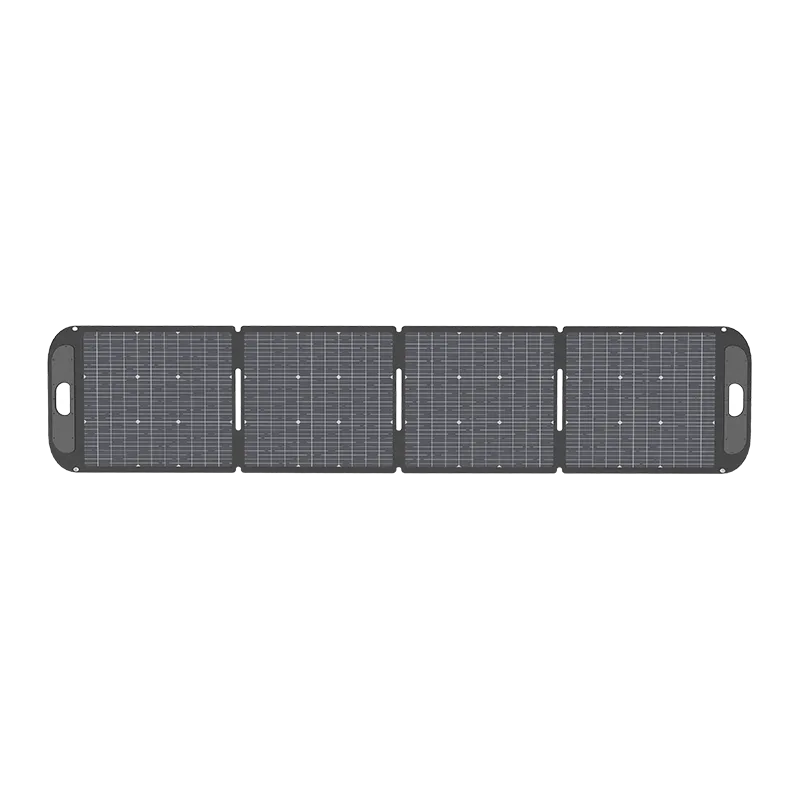
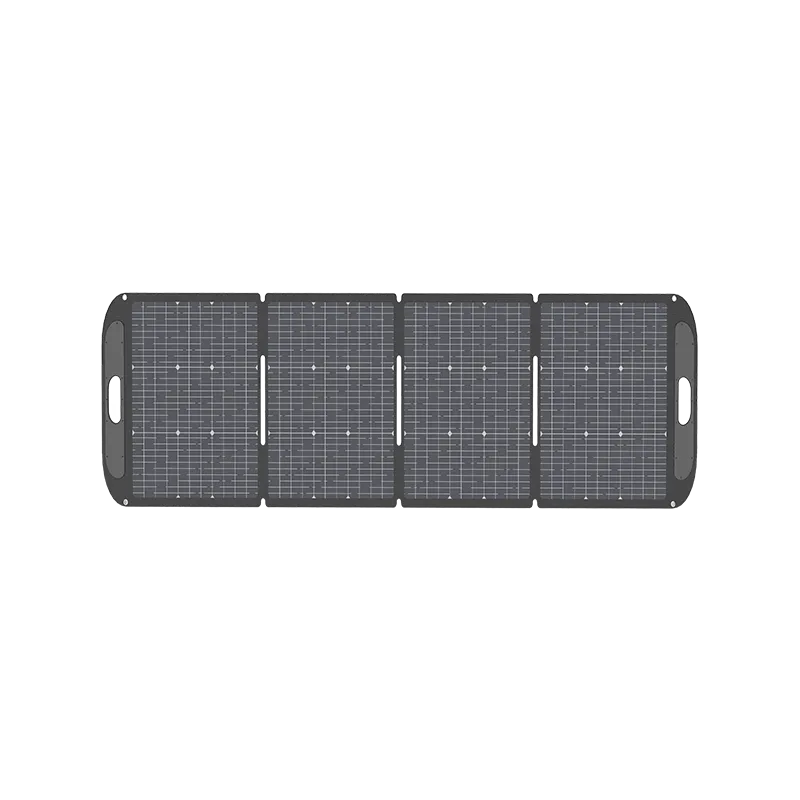
Paired with 100–200W solar panels, portable power stations become compact energy hubs—charging during the day and powering essentials at night. Even for grid-connected users, they help shift energy use away from peak hours, reducing costs and dependence on unstable grids.
Why 1408Wh Power Station Is a “Golden Capacity Point”
Across real scenarios, a 1408Wh portable power station consistently proves versatile:
-
CPAP users: 2–4 nights of therapy (humidifier off)
-
Home backup: fridge & Wi-Fi & lighting through overnight outages
-
Camping & car living: CPAP & fridge & lighting for one to two nights
-
Mobile work: multiple days of laptops and small devices
This is exactly why many users choose this capacity before emergencies happen. One system covers home backup, outdoor travel, and mobile productivity—without buying separate “emergency batteries” for each scenario.
What Defines the Best Portable Power Station?
Real-world performance depends on more than capacity. Professional-grade systems focus on:
-
Grade-A LiFePO₄ cells for up to ~3000 charge cycles
-
Stable BMS protection across hot and cold environments
-
High-efficiency inverters to reduce conversion losses
-
Modular architecture for solar and future expansion
-
High-rate (3C) cell chemistry with low internal resistance, supporting faster recharge, higher peak loads, and improved voltage stability
These elements turn stored energy into dependable daily backup power.
ODM / OEM Portable Power Station Service
For brands and distributors, a portable power station is not just hardware—it’s a complete energy experience.
True ODM/OEM portable power station goes far beyond logo printing:
Cell selection strategy
BMS tuning for cold or hot regions
Inverter matching by usage profile
Capacity architecture design
Certification alignment (CE / UN38.3 / Rohs /UL/ FC/ PSE, etc.)
Customization opportunities include:
Scenario-optimized ports and output layouts (home + CPAP, camping + vehicle, solar-focused systems)
Branded industrial design and user interfaces
UI/App displays showing real runtime (“CPAP: XX hours,” “Fridge: XX hours”) instead of simple battery percentages
Bundled SKUs with solar panels, CPAP DC cables, or camping accessories
For users, this becomes a complete solution for sleep health, home safety, and free travel. For partners, it represents a scalable product category powered by deep ODM/OEM capability.
In Conclusion
The best portable power station isn’t just about watt-hours. It’s about reliable sleep during outages, quiet comfort off-grid, productive work anywhere—and a system architecture built to last for years. That’s how a portable power station becomes more than a boxed battery. It becomes personal energy infrastructure.




 Jump Starter ODM/OEM Solutions
 Portable Power Station ODM/OEM Solutions
 Starting Battery ODM/OEM Solutions
 ABOUT CARKU
 STRENGTH FACTORY
 THE DEVELOPMENT HISTORY OF CARKU
 CORE COMPETITIVENESS
 COMPANY CULTURE
 QUALIFICATION
 CARKU News
 CARKU Exhibitions
 CARKU Battery Applications