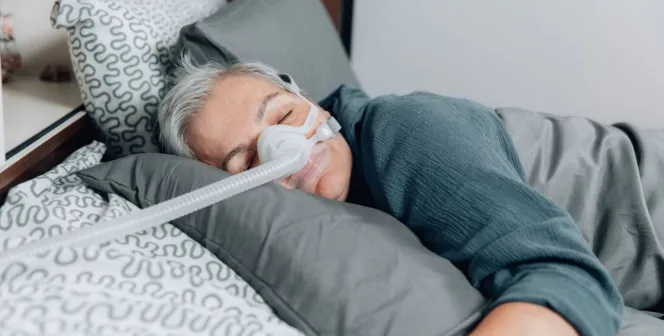
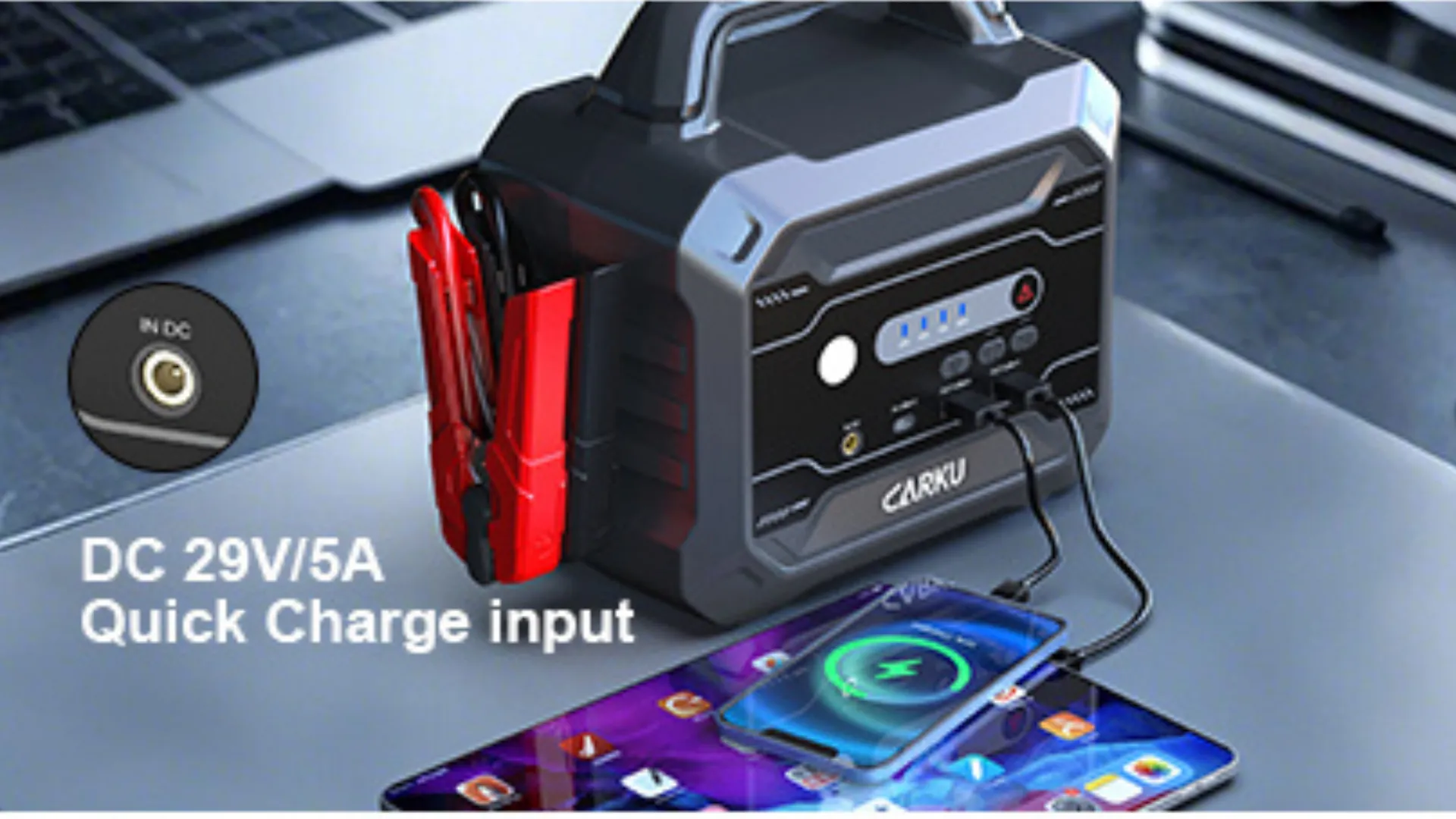
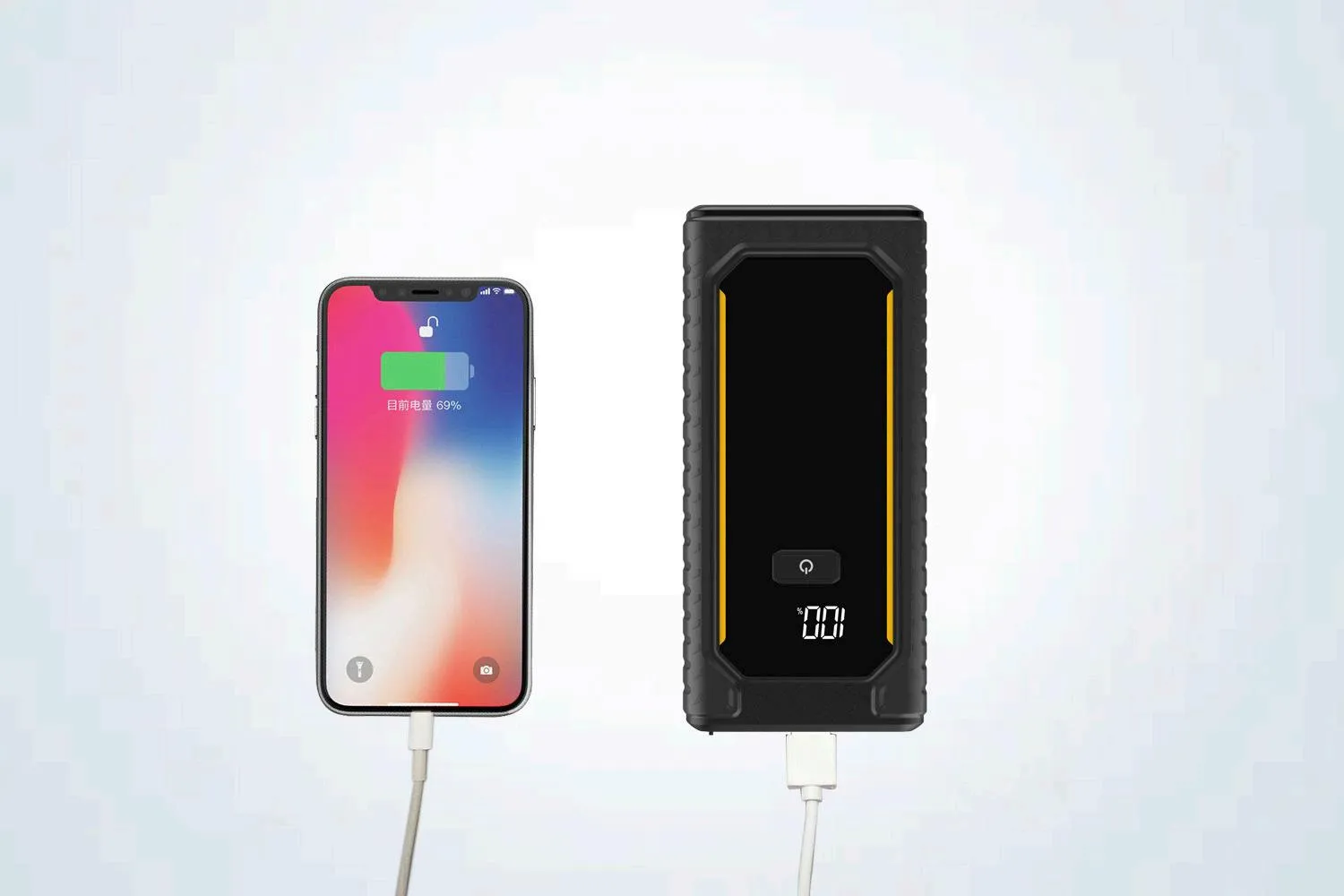
For people with sleep apnea, a CPAP (Continuous Positive Airway Pressure) machine is essential—not optional. But what happens when a power outage strikes or you’re camping off-grid? A portable power station designed for CPAP use can keep your therapy running smoothly through the night, ensuring restful sleep and stable health even when electricity isn’t available.
What Type of CPAP Machine Are You Using?
Different CPAP machines have different power needs, and that will influence the kind of power station you choose:
Standard CPAP: Uses a fixed pressure; typically 30–60 W, higher with humidifier on.
APAP (Auto-Adjusting): Auto-adjusts pressure, similar wattage to standard models.
BiPAP (Bi-level): Higher wattage, usually 60–90 W due to dual pressure settings.
Travel CPAP: Light and energy-efficient (5–20 W), made for portability.
Knowing your model’s wattage lets you estimate how many hours of portable power station(daily backup power) you’ll need.
Portable Power Station Features for CPAP Use
A medical-grade portable power station designed for CPAP should include:
Pure sine wave inverter: Delivers “clean” electricity similar to wall outlets, protecting sensitive CPAP motors and electronics.
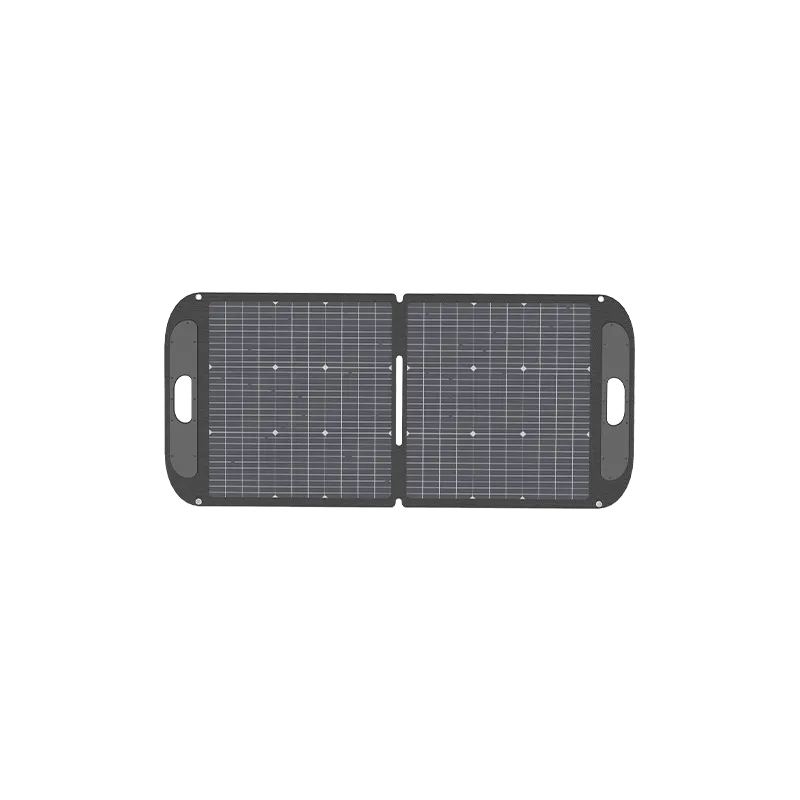
Multiple charging options: Recharge via wall socket, car outlet, or solar panels for flexibility during blackouts or outdoor trips.
Battery management system (BMS): Prevents overcharging, overheating, or deep discharging, extending battery life.
These systems are quiet, fume-free, and safe for bedside use—ideal for overnight indoor operation.
Safe Connection Tips: CPAP and PPS
When connecting your CPAP to a Portable Power Station (PPS):
Use DC connection if available—it avoids double energy conversion (DC→AC→DC), preserving battery life.
Confirm voltage and connector compatibility to prevent short circuits or device damage.
Keep the power station near normal room temperature, as extreme cold or heat reduces output capacity.
During emergencies, turn off the heated humidifier and tube to extend runtime; use water for passive humidification instead.
How to Choose the Best Portable Power Station for CPAP?
Selecting a reliable portable power station for CPAP, which involves balancing capacity, portability, and comfort.
Capacity (Wh):
A CPAP generally draws 30–60 W. For one night (≈8 hours), you’ll need at least 300–500 Wh.
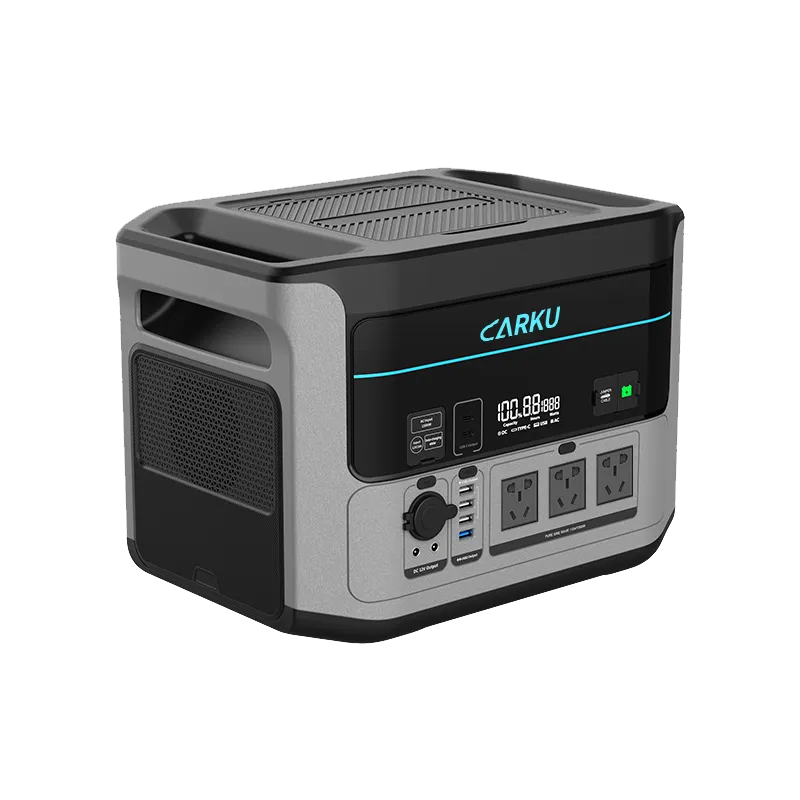
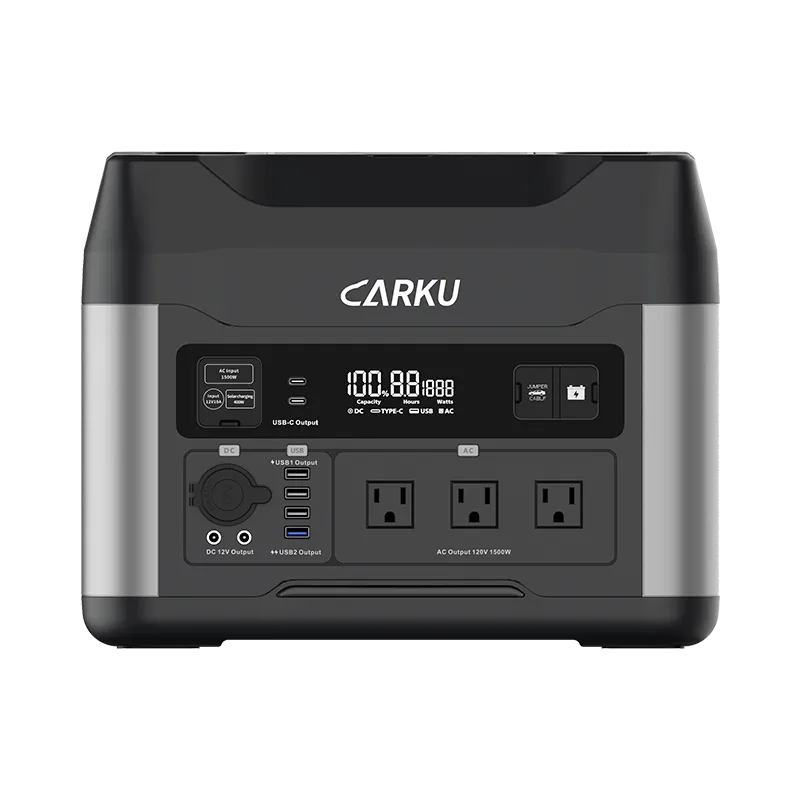
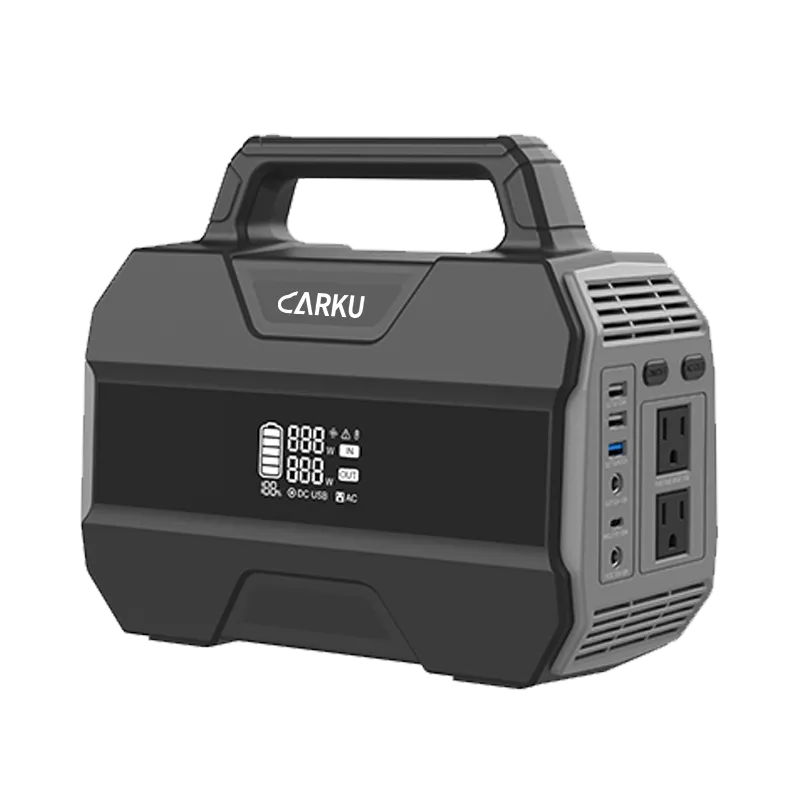
For multi-night use or home backup, consider 1000–2000 Wh, and around 1408 Wh portable power station is especially suitable for light to moderate CPAP users who want multi-night runtime without choosing a very large and heavy portable power station.
Portability vs. Power:
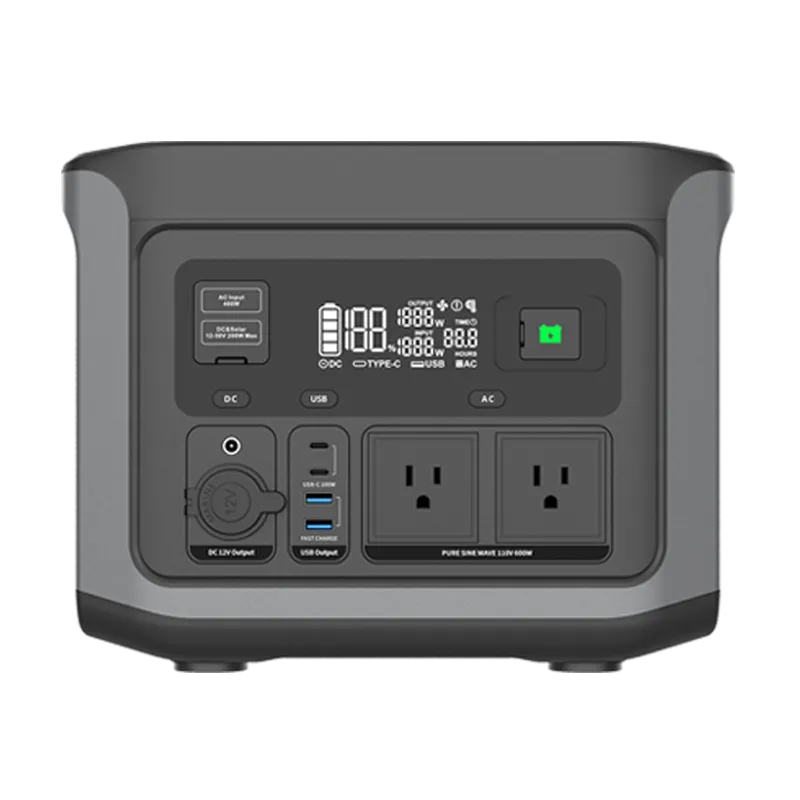
For car camping or home use, choose higher capacity (heavier) models. For frequent travel or tent camping, pick lightweight versions around 500–800 Wh.
Noise Level:
The ideal PPS operates quietly (below 40 dB) so cooling fans don’t disrupt your sleep.
Input/Output Ports:
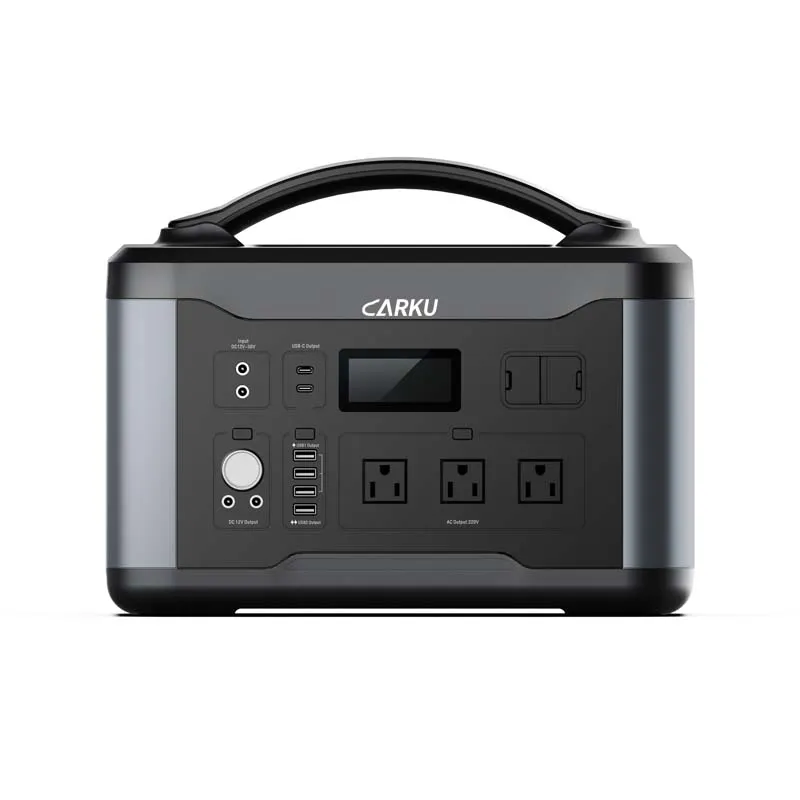
At minimum, look for AC and DC ports; multiple outlets allow running your CPAP alongside a phone charger, fan, or nightlight.
Now that you know what to look for in a CPAP-compatible portable power station, let’s move on to our 5 top picks.
Frequently Asked Questions
1. How long can a portable power station for CPAP run your machine?
Most CPAP machines draw about 30–60 W without a heated humidifier. Over an 8-hour night, that equals roughly 240–480 Wh. In practical use, a 500 Wh portable power station for CPAP usually supports one full night, while a 1000 Wh model can often power 2–3 nights if the humidifier is turned off. Using heated humidification or a BiPAP will significantly increase power consumption, so expect shorter runtimes.
2.What size portable power station for CPAP should you choose—and why does battery quality matter?
To avoid running out of power mid-sleep, choose capacity based on your CPAP wattage, nightly usage time, and whether humidification is enabled. For multi-night backup, a larger portable power station for CPAP is recommended. Battery technology is just as important. Units built with Grade-A LiFePO₄ cells offer more stable output, longer cycle life (often up to ~3000 cycles), and higher safety—critical when your breathing therapy depends on reliable overnight power.
3. How long can a portable power station last with repeated use?
With proper cycling and avoiding deep discharges, LiFePO₄‑based power stations commonly deliver 3000 or more charge cycles while still retaining around 80% of their original capacity. In practical terms, that means many years of regular backup or camping use before you notice a major decrease in runtime.
4.Why does a CPAP ready portable power station make sense long term?
Beyond emergencies, a reliable power station lets you sleep with your CPAP during camping, road trips, and planned power maintenance instead of renting or buying separate small batteries for each scenario. Thanks to the long cycle life of modern LiFePO₄ batteries, a single unit can serve as your main CPAP backup and off-grid power source for many years, spreading the cost over hundreds or even thousands of uses.





 Jump Starter ODM/OEM Solutions
 Portable Power Station ODM/OEM Solutions
 Starting Battery ODM/OEM Solutions
 ABOUT CARKU
 STRENGTH FACTORY
 THE DEVELOPMENT HISTORY OF CARKU
 CORE COMPETITIVENESS
 COMPANY CULTURE
 QUALIFICATION
 CARKU News
 CARKU Exhibitions
 CARKU Battery Applications