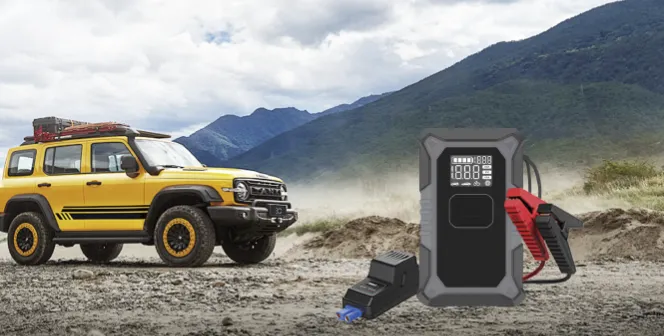
Understand the differences between a car battery charger and a jump starter. Learn how each helps with dead or drained batteries, which situations call for one over the other, and which is best for regular cars or trucks.
What’s the Difference Between a Battery Charger and a Jump Starter?
Battery chargers are practical for regular charging, while jump starters act as powerful, mobile lifesavers that can also be used as power banks for your everyday devices, especially when you need to get back on the road immediately.
A car battery charger and a jump starter are both essential automotive tools, but they serve very different purposes and excel in distinct scenarios. Understanding the difference between battery charger and jump starter is critical when choosing the right solution for your vehicle’s needs.
Table: Comparison in battery charger and jump starter
|
Feature
|
Battery Charger
|
Jump Starter
|
|
Purpose
|
Slow, controlled charging and battery maintenance
|
Instant power surge for emergency engine start
|
|
Power Source
|
Plugs into AC outlet
|
Internal rechargeable battery
|
|
Function
|
Recharges and maintains battery health over time
|
Provides a high burst of power to start engine
|
|
Best Use Scenarios
|
Long-term battery maintenance, battery recovery
|
Emergency restart in dead battery situations
|
|
Operation Time
|
Several hours to overnight
|
Instant, within seconds
|
|
Portability
|
Bulkier, requires power outlet
|
Compact, portable, no external power needed
|
|
Safety Features
|
Overcharge protection, automatic shutoff
|
Reverse polarity protection, short burst use
|
|
Typical Users
|
Garage use, seasonal vehicles, battery recovery
|
Roadside emergency kits, drivers in remote areas
|
|
Additional Features
|
Smart charging technology
|
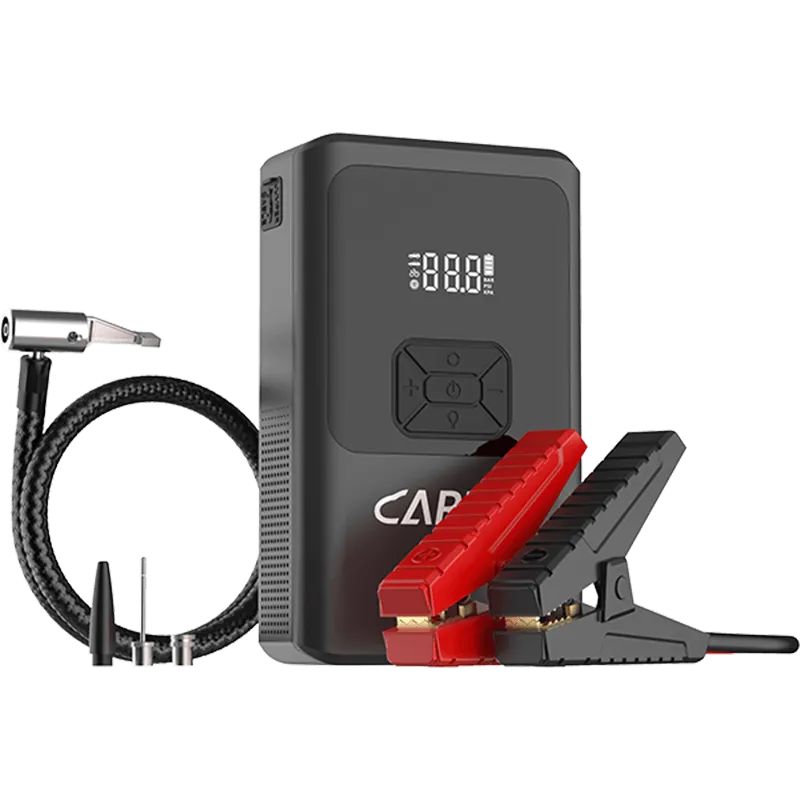
Often includes USB ports, LED flashlight, air compressor
|
|
Battery Impact
|
Extends battery lifespan
|
Does not recharge battery; alternator needed after jump start
|
When You Need a Battery Charger and When You Need a Jump Stater
Functionality:
A battery charger is engineered for gradual, controlled charging and long-term battery maintenance. It connects to your vehicle’s battery and uses an external AC power source, slowly replenishing charge over several hours. Smart chargers can optimize charging rates, prevent overcharge, and enhance overall battery life.
In contrast, a jump starter delivers a high-intensity surge of power—instantly cranking your engine for a quick start while your battery is dead. This device has its own internal battery, making it fully portable and not dependent on a power outlet or another vehicle.
Purpose:
The primary purpose of a battery charger is to recharge a depleted battery gradually, to bring it back to a full state of charge or maintain it in a ready condition during storage or long periods of inactivity. It’s not intended for engine starting. On the other hand, a jump starter is purpose-built for emergencies: starting a vehicle when the battery is critically low or completely dead. It acts like a temporary surge source, supplying enough power to spin the starter motor and ignite the engine.
Use cases:
1.Battery charger: Routine battery health maintenance, recovering deeply discharged batteries, long-term storage, overnight charging.
2.Jump starter: Sudden battery failure, cold weather, remote locations, urgent restarts without access to power or assistance.
Operation Details:
To operate a battery charger, you connect it to the vehicle battery (still connected or removed), plug the charger into an AC outlet, and let the device monitor and recharge over time—usually several hours or overnight.
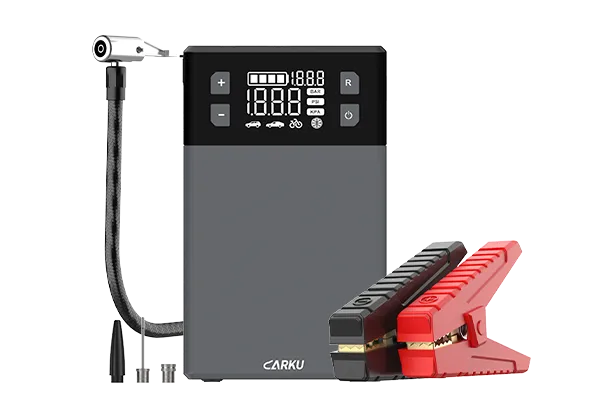
For a jump starter, you only need to attach its clamps to your battery’s terminals and power it on; within seconds, it delivers a large current to start your engine. Many jump starters now include built-in features for added convenience, such as USB charging, integrated flashlights, or air compressors for roadside emergencies.
Can a Jump Starter Replace a Battery Charger?
Not exactly. A battery charger is designed for slow, controlled charging and long-term battery maintenance. Products like multi-bank chargers keep multiple batteries healthy in garages or collections—but they don’t provide the high cranking current needed to start an engine. A jump starter, on the other hand, delivers instant starting power when your battery is dead. In real roadside situations, only a jump starter can get your truck back on the road within seconds.
Ideally, both tools serve different purposes: chargers maintain batteries, while jump starters rescue vehicles.
Which Is Better? Battery Charger vs Jump Starter for Trucks: Full Comparison
When comparing truck battery chargers and jump starters, jump starters are indeed the more practical emergency tool. The 2025 comparison guide for battery chargers versus jump starters is as follows:
Emergency readiness: Jump starters provide immediate power to start a dead battery, critical in urgent situations where waiting is not an option. Whereas the battery charger requires hours to recharge the battery.
Portability: Compact and self-contained, jump starters can be kept in your vehicle for quick access, ideal for roadside emergencies. Whereas the battery charger typically stays in garage or workshop.
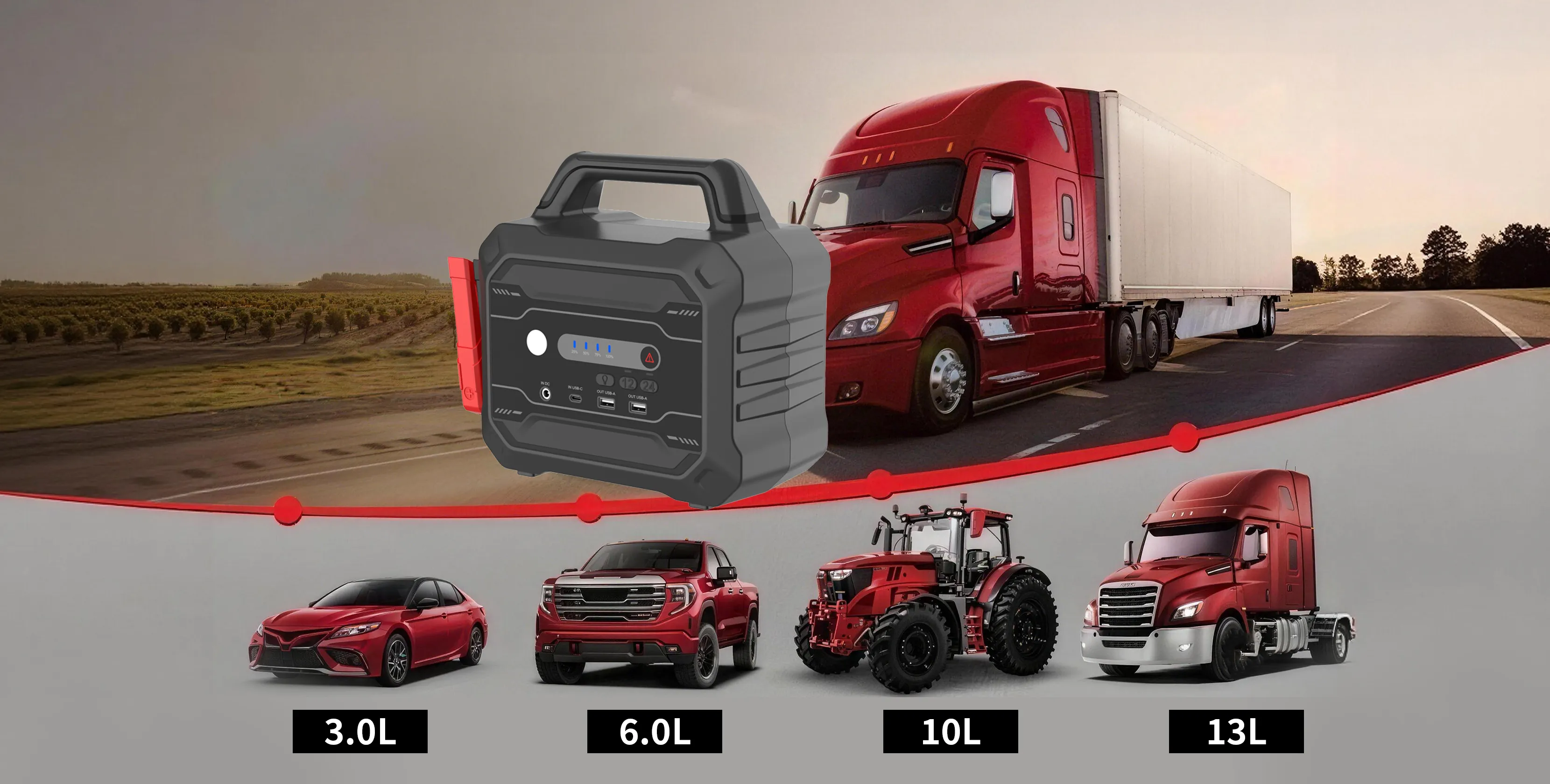
Suitability for heavy-duty vehicles: Jump starters with higher peak amps (e.g., 3000A JS393B model) cater to trucks, pickups, tractors, providing the burst power needed for large engines. Whereas the battery charger
Versatility in remote or cold conditions: Jump starters work without the need for external power, essential for remote travels, cold weather, and locations without power outlets.
Long-term use for truckers: Heavy-duty lead-acid jump starters offer durability for frequent jumps in extreme environments; lithium jump starters provide safety, reliability, and convenience for most personal and emergency use cases.
Additional features: Modern jump starters often include USB ports, integrated flashlights, and air compressors to enhance roadside utility.
Frequently Asked Questions
1.Can I charge a jump starter with a battery charger?
Yes, you can charge a jump starter with a compatible battery charger, provided it supports the jump starter’s battery type and voltage. Most lithium jump starters require the use of a low-amp smart charger to prevent overcharging and extend battery life. Using a non-smart conventional car battery charger may damage the device or shorten battery lifespan. It is recommended to use the manufacturer-recommended smart charger to ensure safe and efficient maintenance.
2.Can you jump a truck with a battery charger?
The JS393B jump starter has a powerful built-in battery pack. Jump-starting your truck with the smart jump cable protects against short circuits and operational errors.
3.Should I buy a battery charger or a jump starter?
As an occasional user, the battery charger is used as a home scenario. As a regular user, the portable starter is placed in the trunk of the car for emergency use. There is no need to worry about leaving it for months without power.
4.How long does it take to jumpstart a car with a portable charger?
A 12-volt car battery with a capacity of about 10,000 mAh (10 amps) will take about 8 hours at 5 volts/2 amps input.





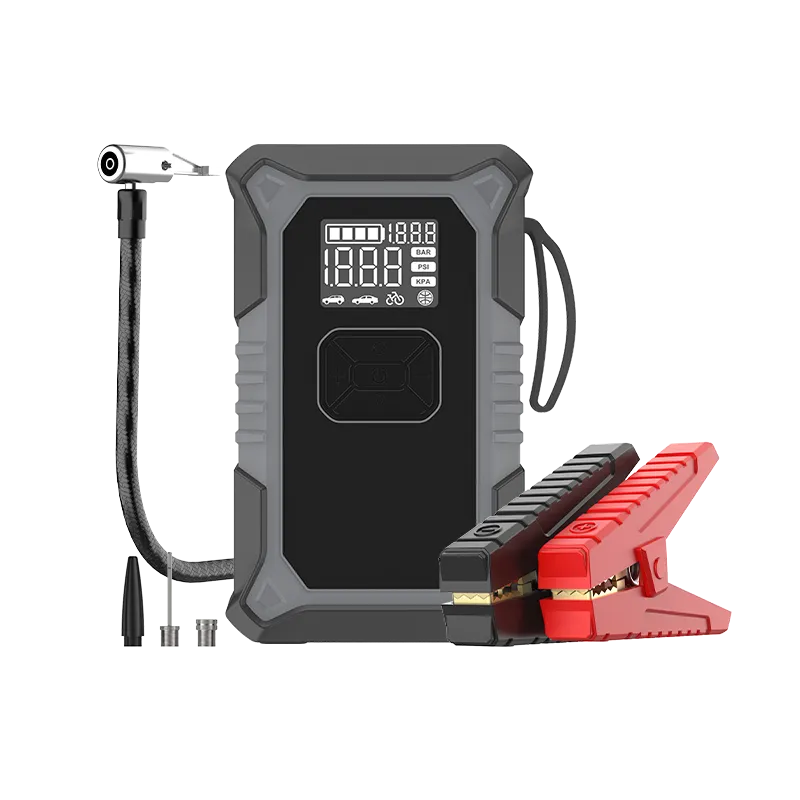
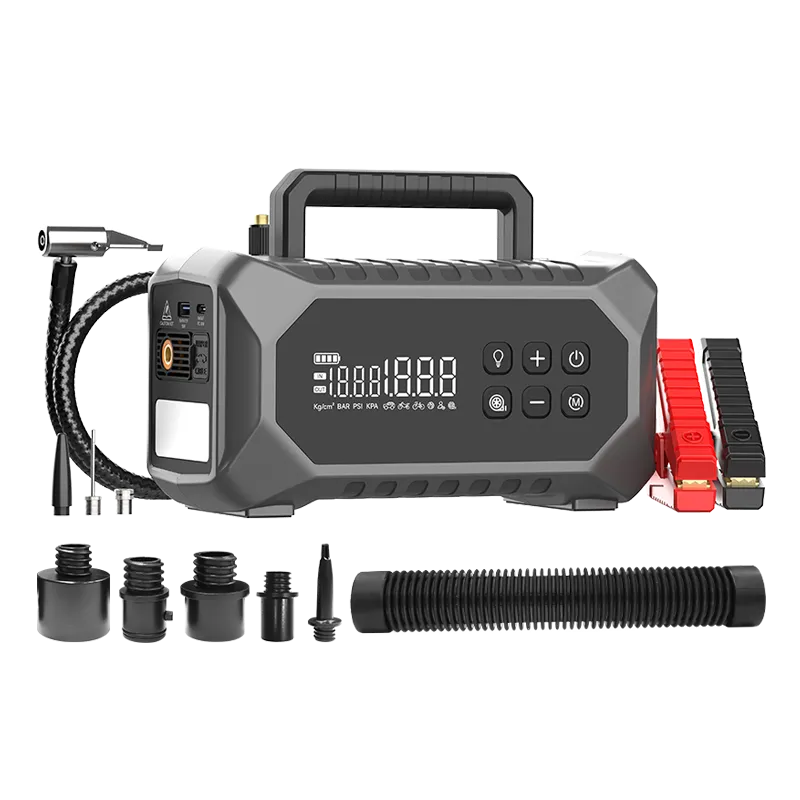
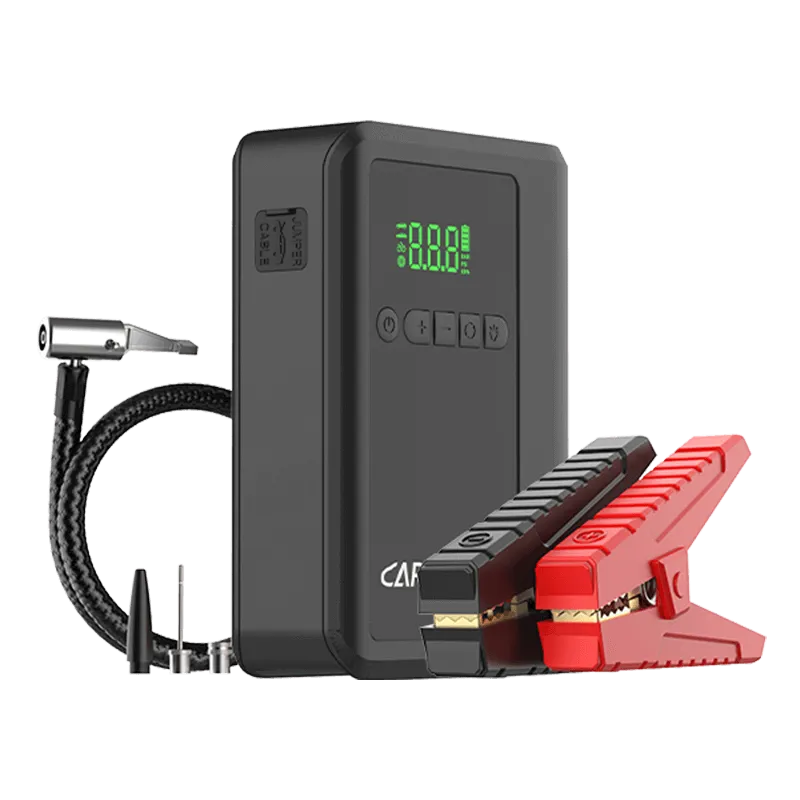
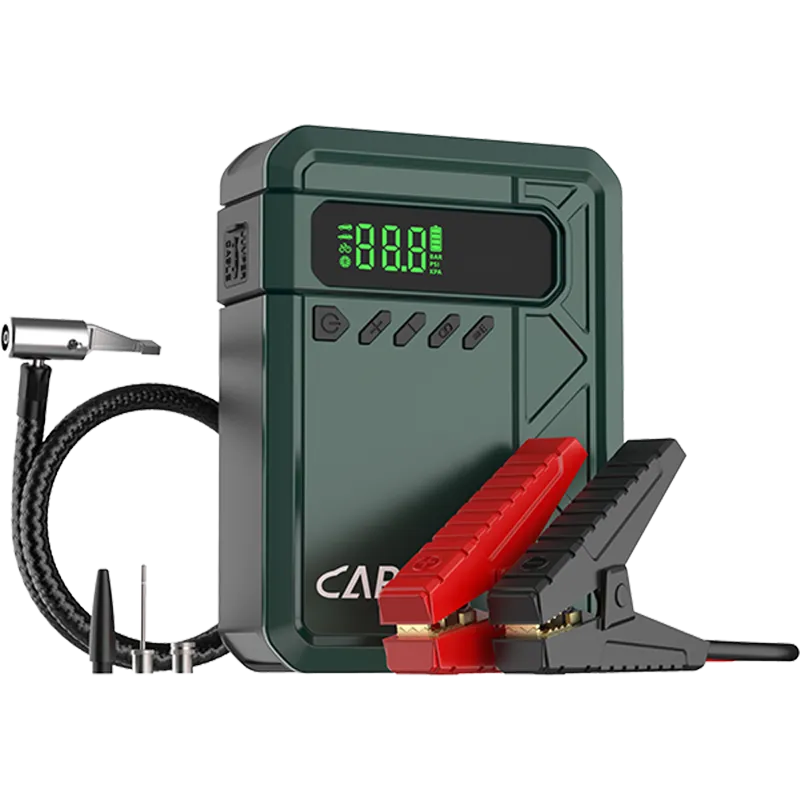




 Jump Starter ODM/OEM Solutions
 Portable Power Station ODM/OEM Solutions
 Starting Battery ODM/OEM Solutions
 ABOUT CARKU
 STRENGTH FACTORY
 THE DEVELOPMENT HISTORY OF CARKU
 CORE COMPETITIVENESS
 COMPANY CULTURE
 QUALIFICATION
 CARKU News
 CARKU Exhibitions
 CARKU Battery Applications