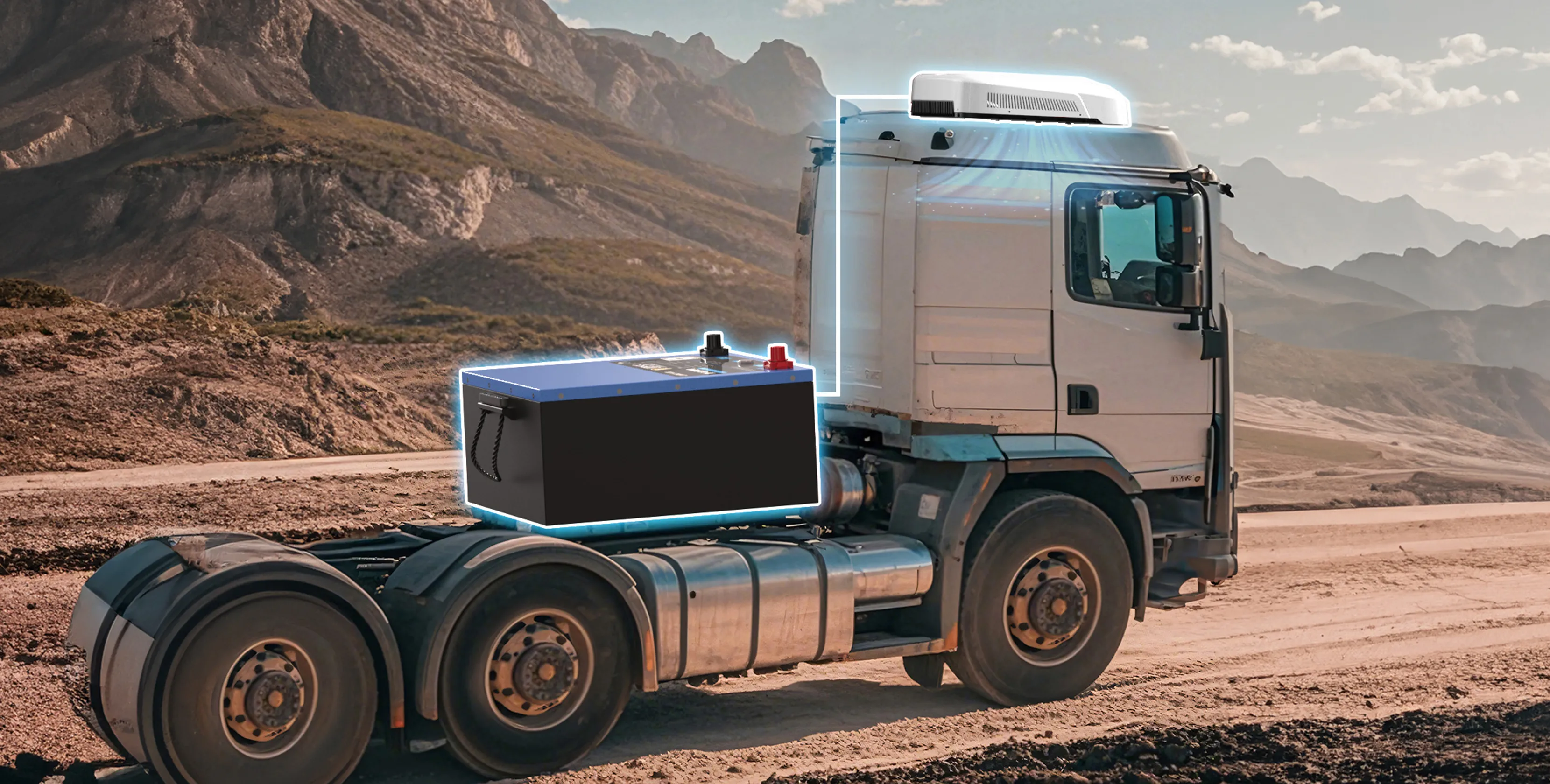
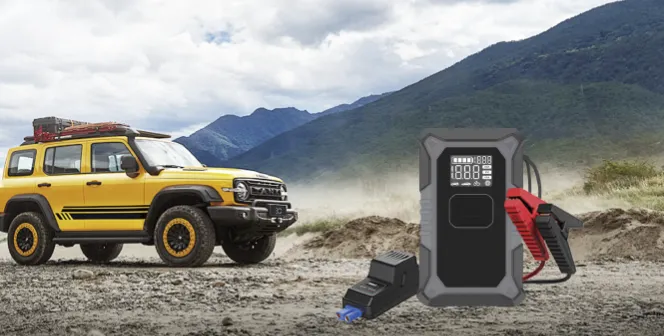
Many drivers eventually face a dead battery situation. When that happens, the two most common solutions are jumper cables and a portable jump starter (also known as a jump box).
But which option is better? In this guide, we’ll compare jumper cables vs jump starter and explain the key differences between a jump box vs jumper cables so you can choose the safest and most convenient option for your car or truck.
It’s 6 AM on a Monday’s rainy and snowy morning.And car won't start. In situations like this, drivers usually have two choices: use jumper cables connected to another vehicle or use a portable jump box (jump starter). For people who work with cars and trucks every day, a portable jump starter is simply more convenient—it starts your vehicle without needing another car nearby.
What are Jumper Cables
Traditional jumper cables are a pair of insulated wires with clamps on each end, designed to transfer power from a working vehicle's battery to a dead battery. They are simple, affordable, and have been used for decades.
However, they have some significant limitations:
1.Dependency on another vehicle: You must have access to a fully charged vehicle nearby, which can be difficult or dangerous in remote locations, bad weather, or when alone.
2.Risk of incorrect connection: Wrong connections can damage both vehicles’ electrical systems, cause sparks, short circuits, or even ignite hydrogen gas near the battery.
3.Limited safety features: Traditional jumper cables have no built-in protections like reverse polarity detection or automatic shutdown.
4.User-dependent and less convenient: Proper positioning and careful handling are required, making jumper cables less user-friendly compared to portable jump starters.
What are the Risks of Using Jumper Cables
Using jumper cables is a common way to start a vehicle with a dead battery. The cables connect a depleted battery to a healthy donor battery, allowing electrical current to flow and provide enough power to start the engine.
However, this method depends heavily on correct user operation. If the cables are connected incorrectly, several risks may occur:
• Reverse polarity that can damage vehicle electronics
• Blown fuses or short-circuited modules
• Sparks that may ignite hydrogen gas around the battery
• Voltage surges caused by the difference between two batteries
Jumper cables also require another vehicle nearby, which is not always available during emergencies. In addition, the cables themselves can deteriorate over time—copper wires may corrode, insulation can crack in extreme temperatures, and clamps may loosen.
For these reasons, many drivers now prefer a portable jump starter, which includes built-in protections such as reverse-polarity detection, over-current protection, and automatic shutdown features.
What is a Jump Starter(jump box)
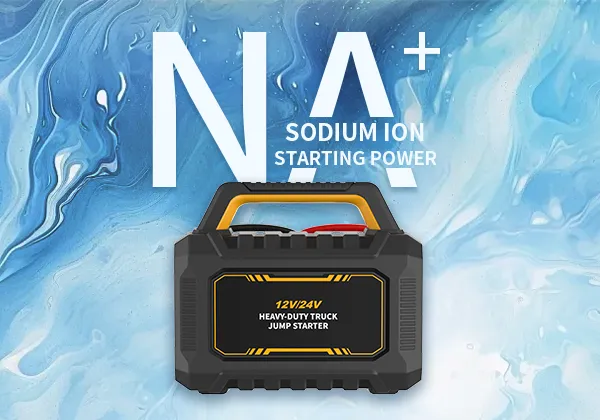
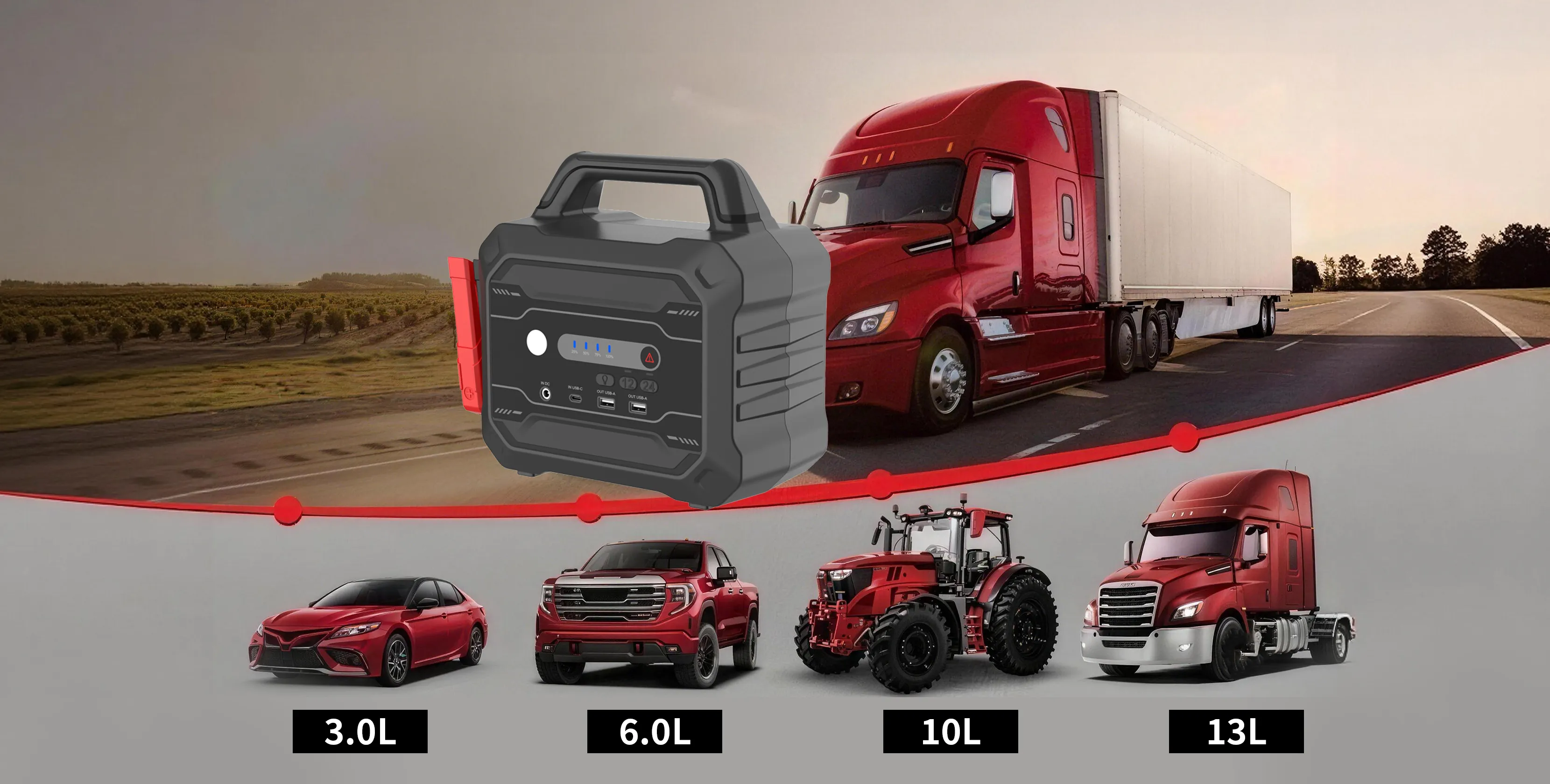
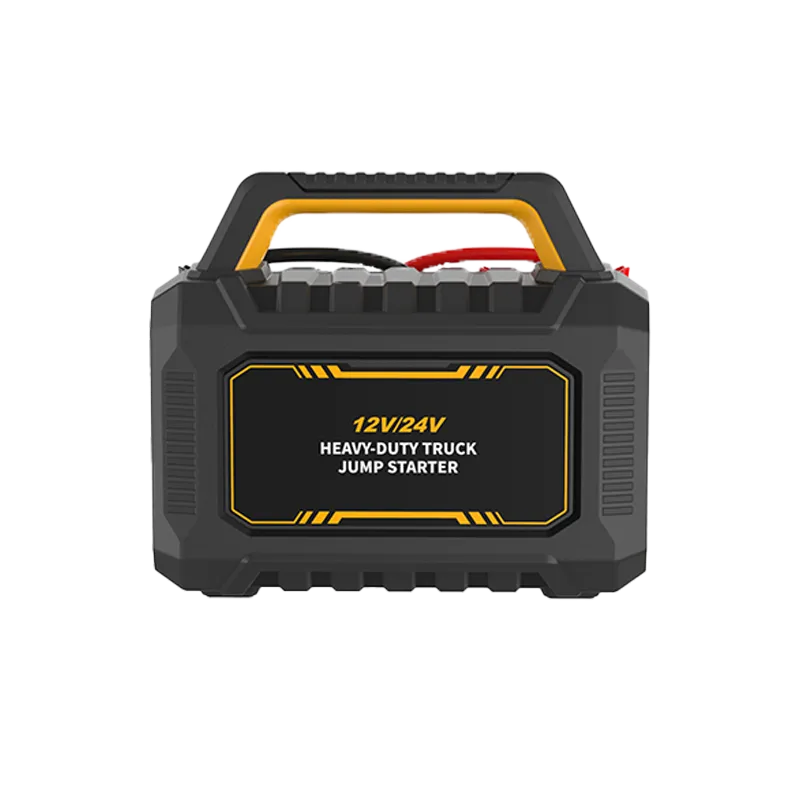
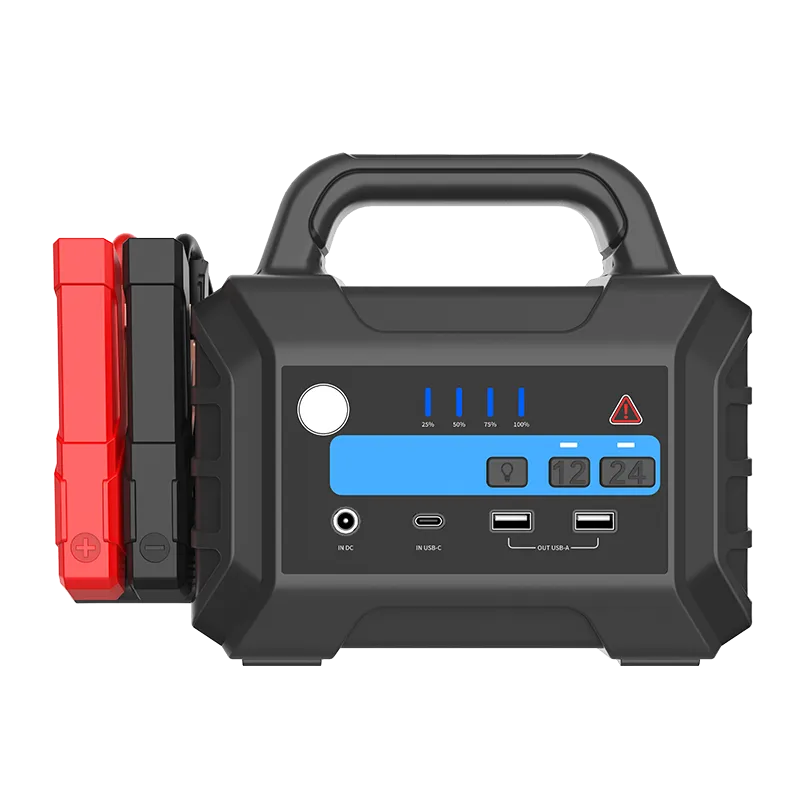
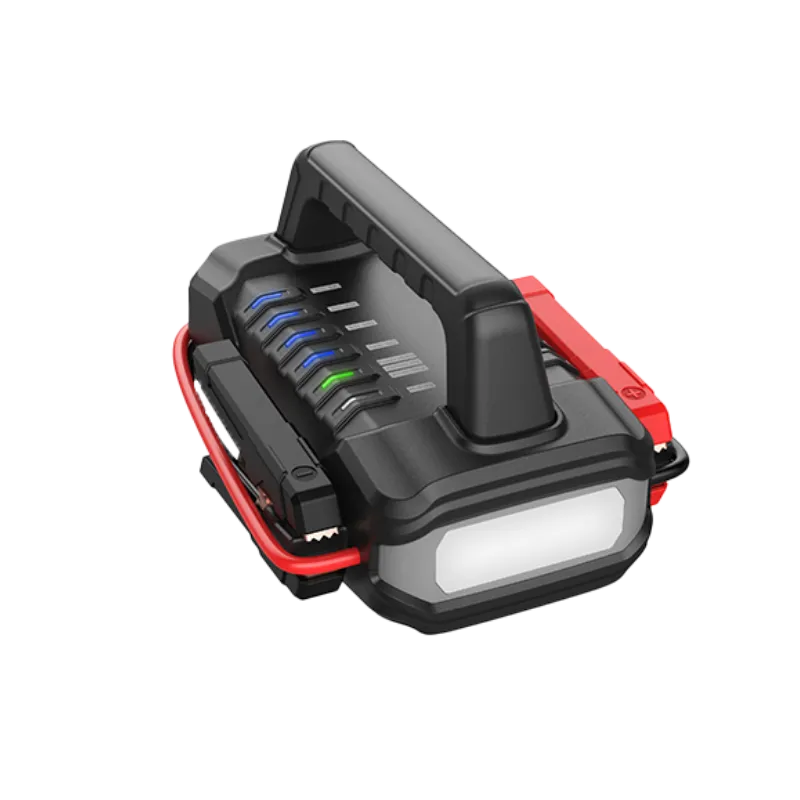
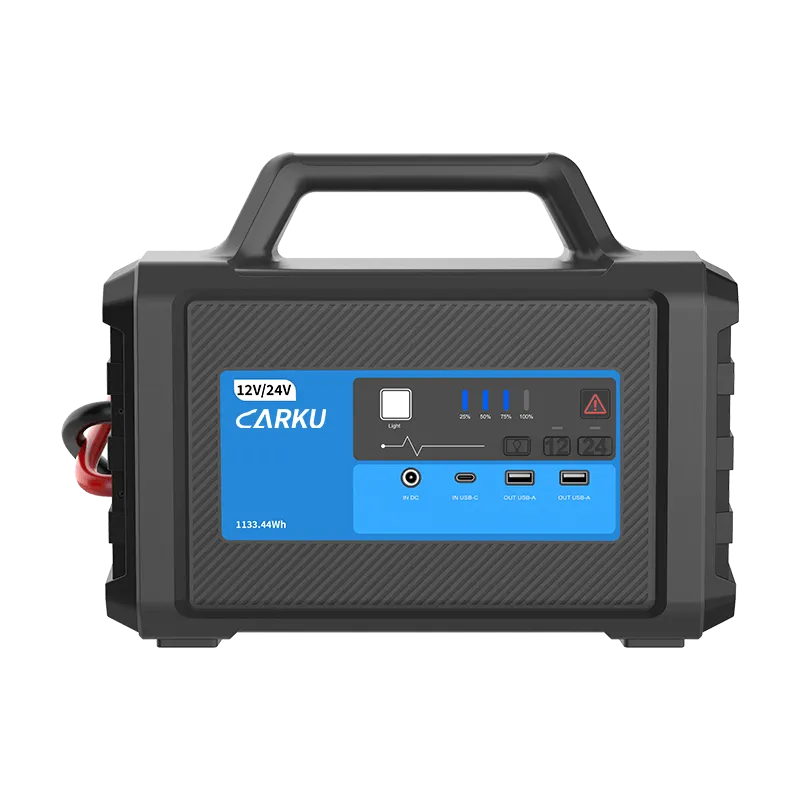
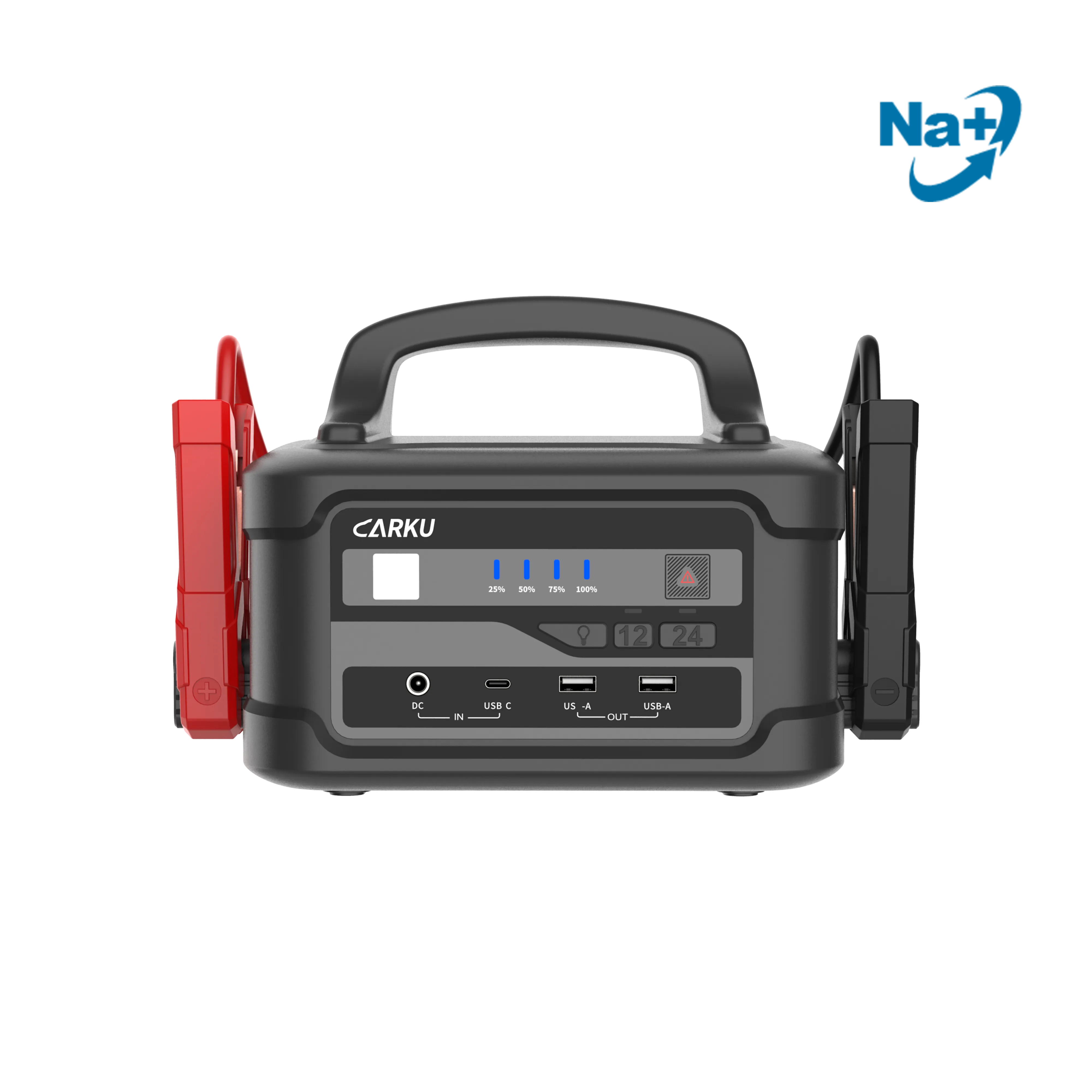
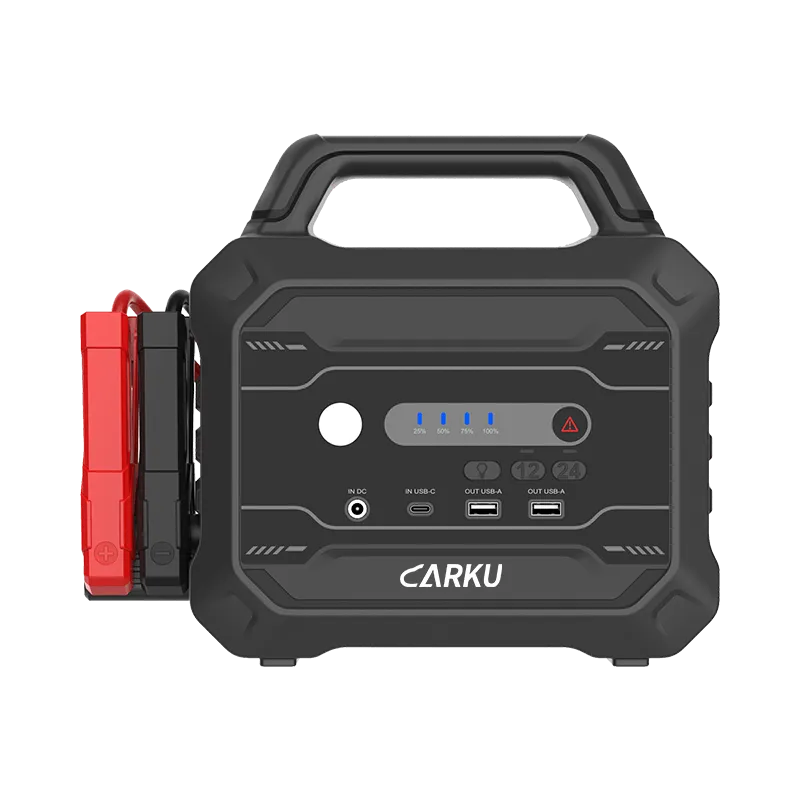
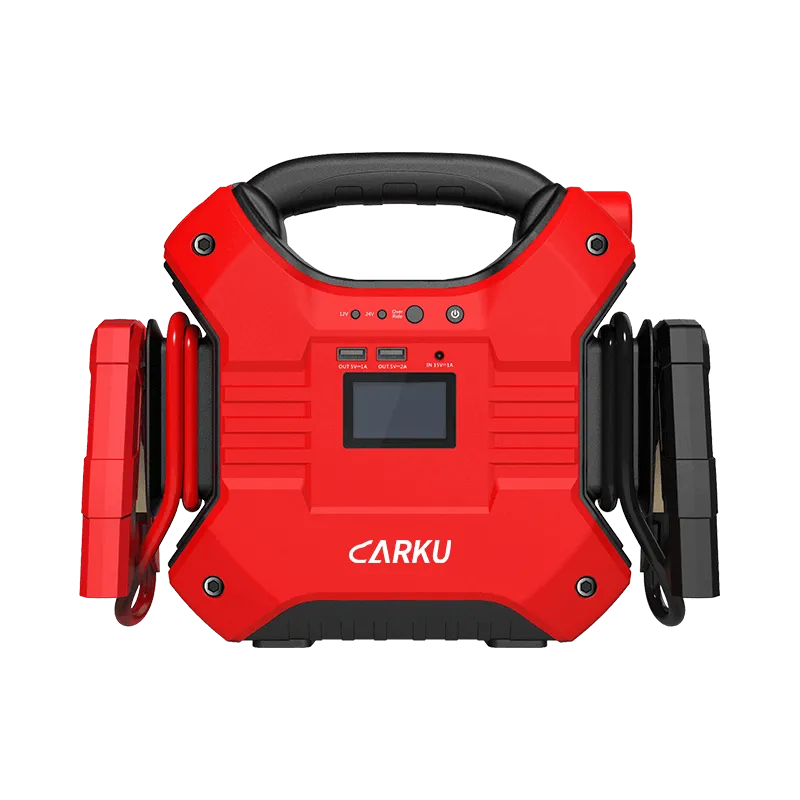
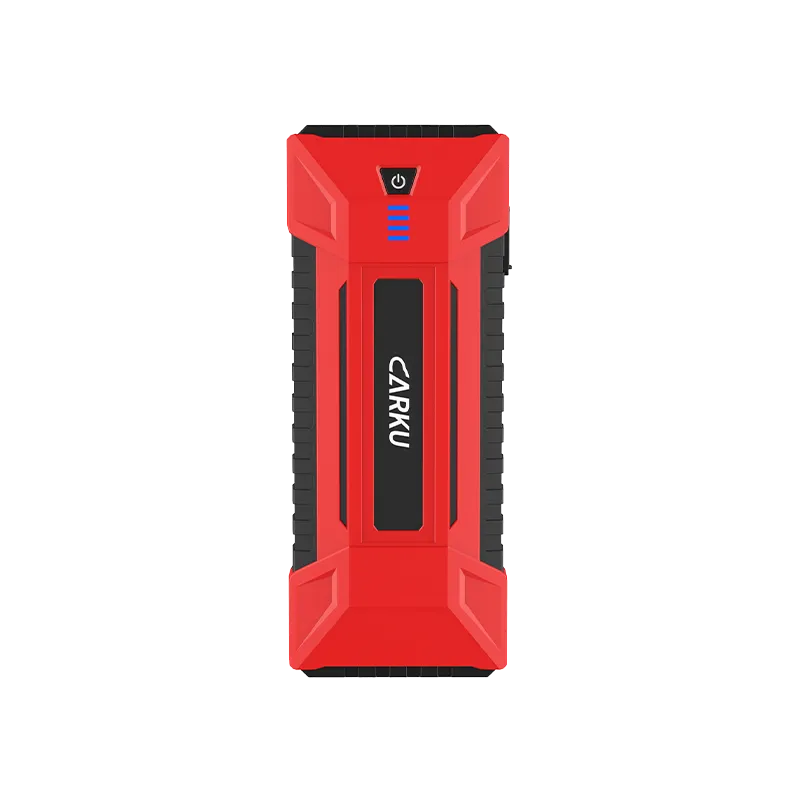
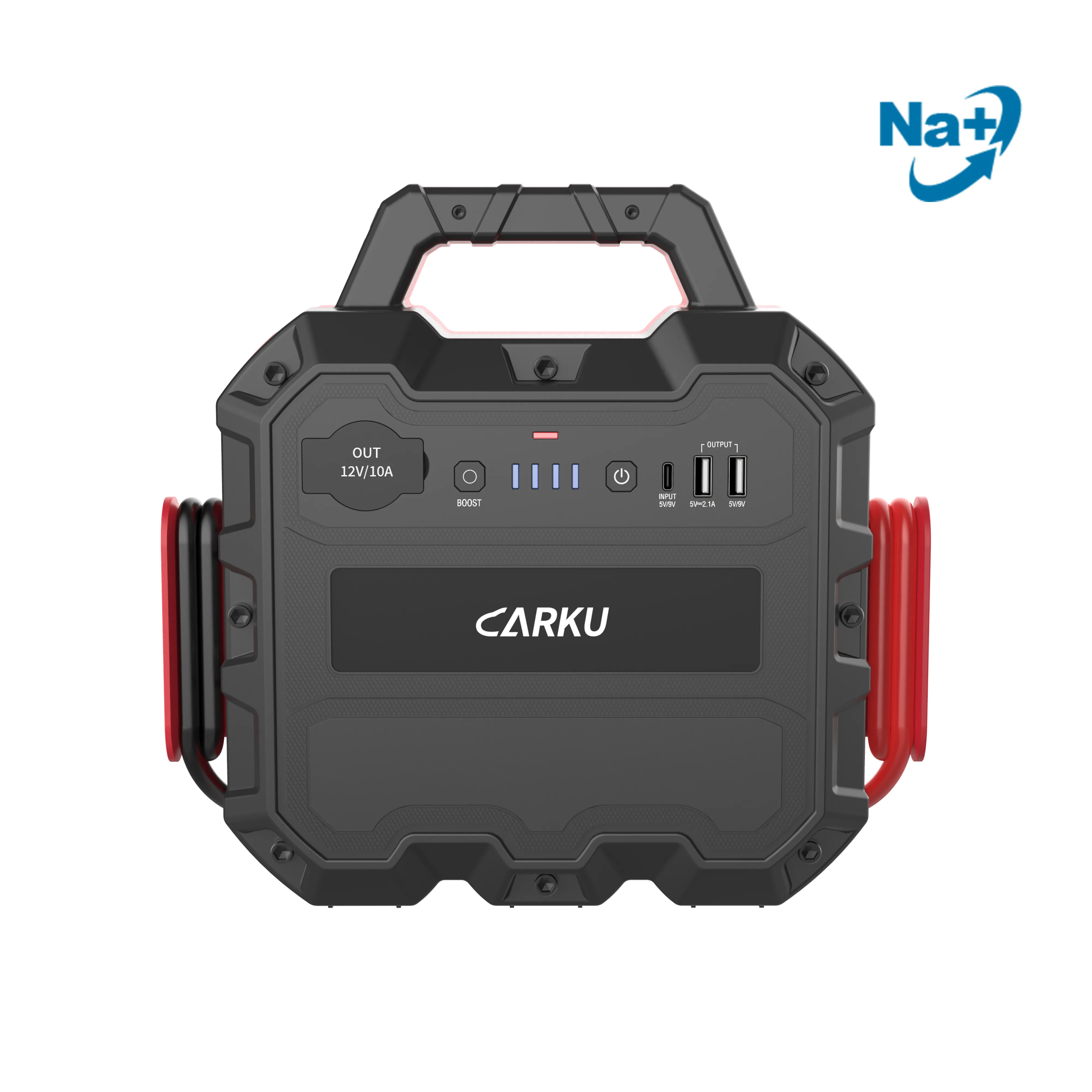
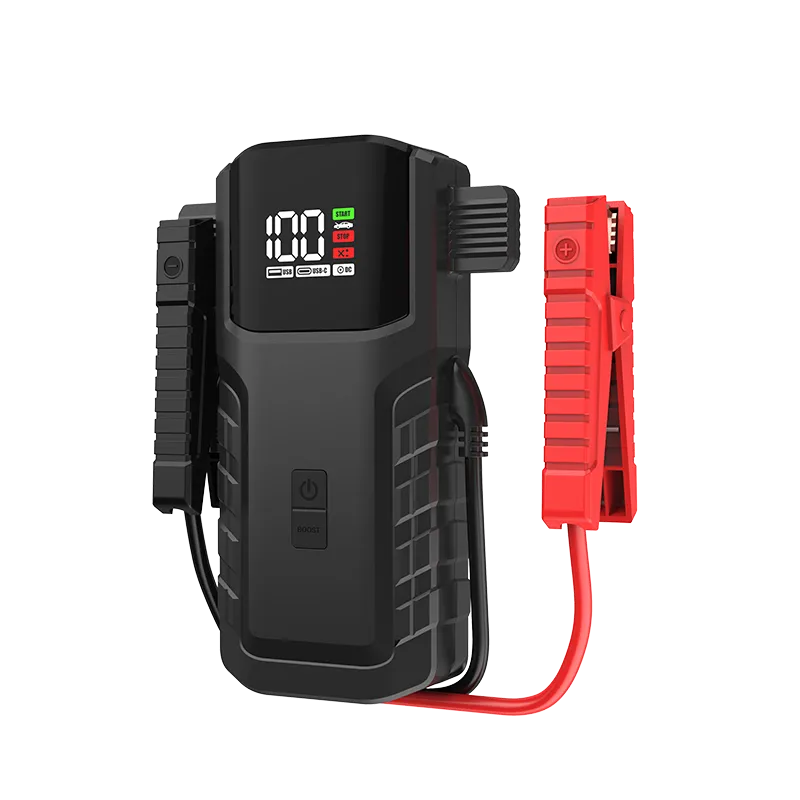
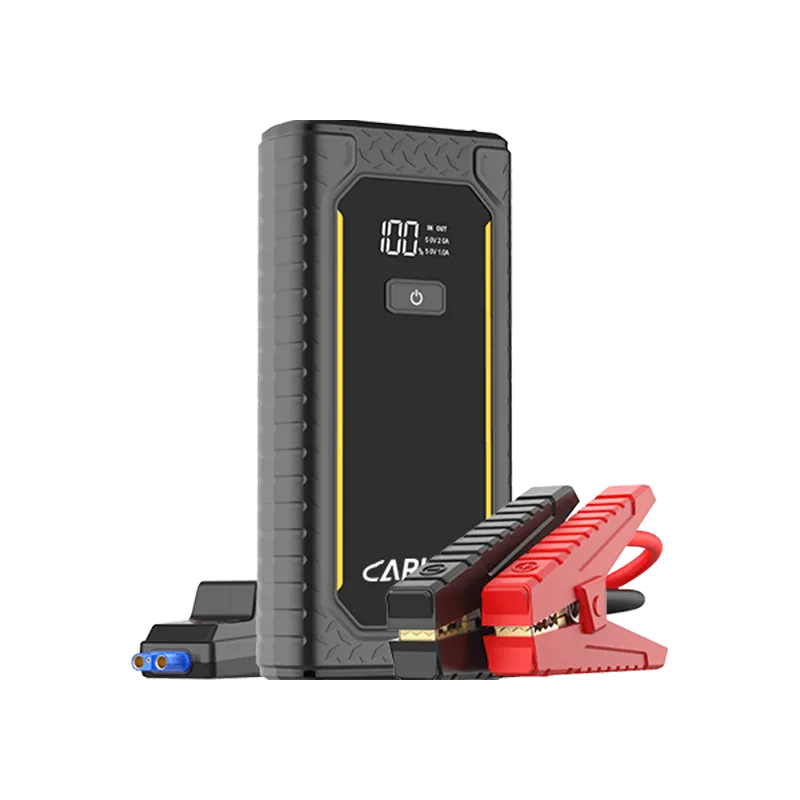
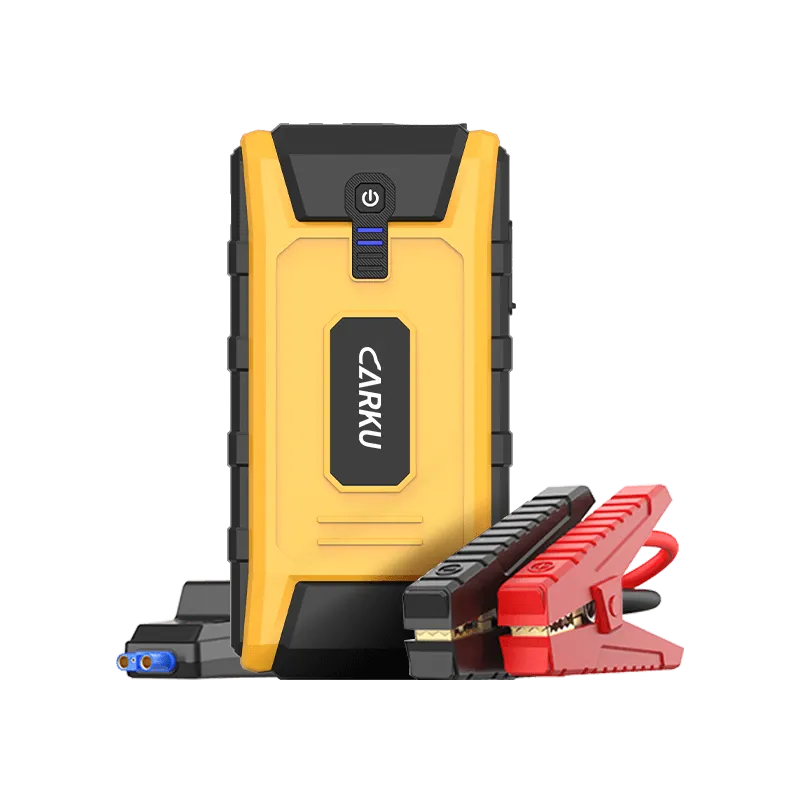
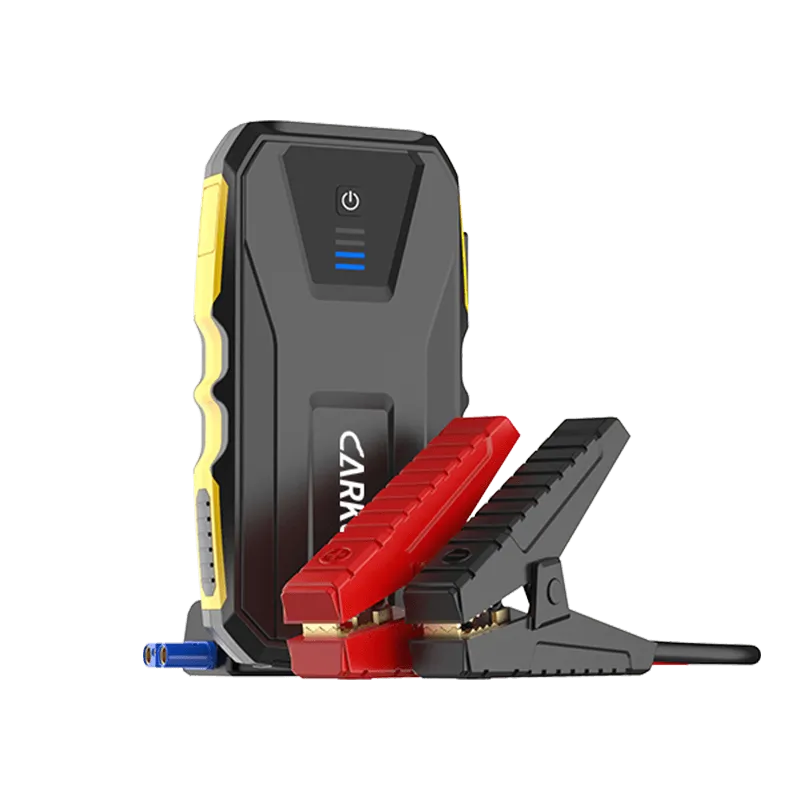
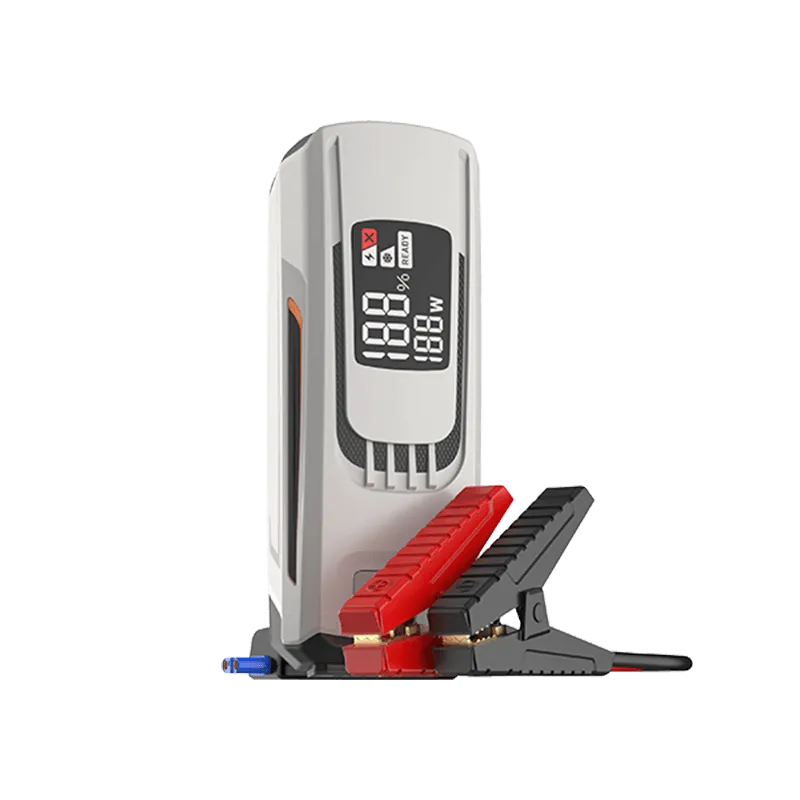
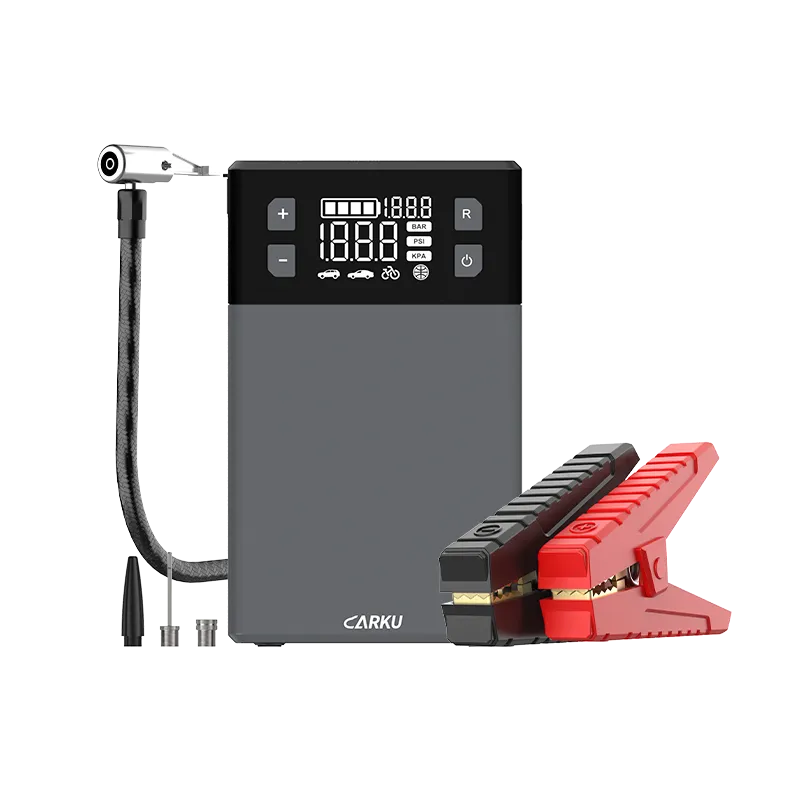
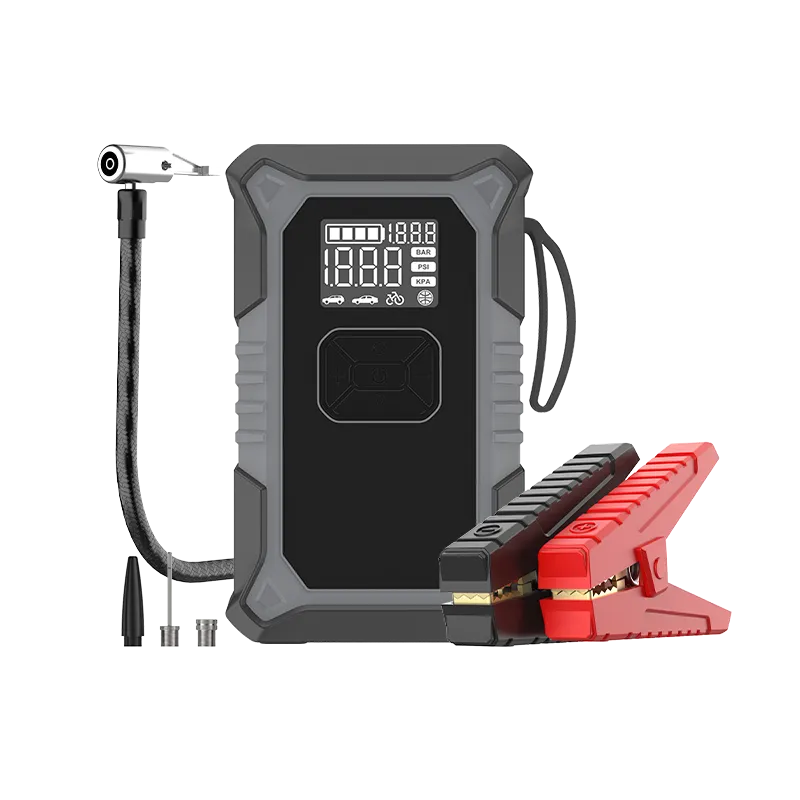
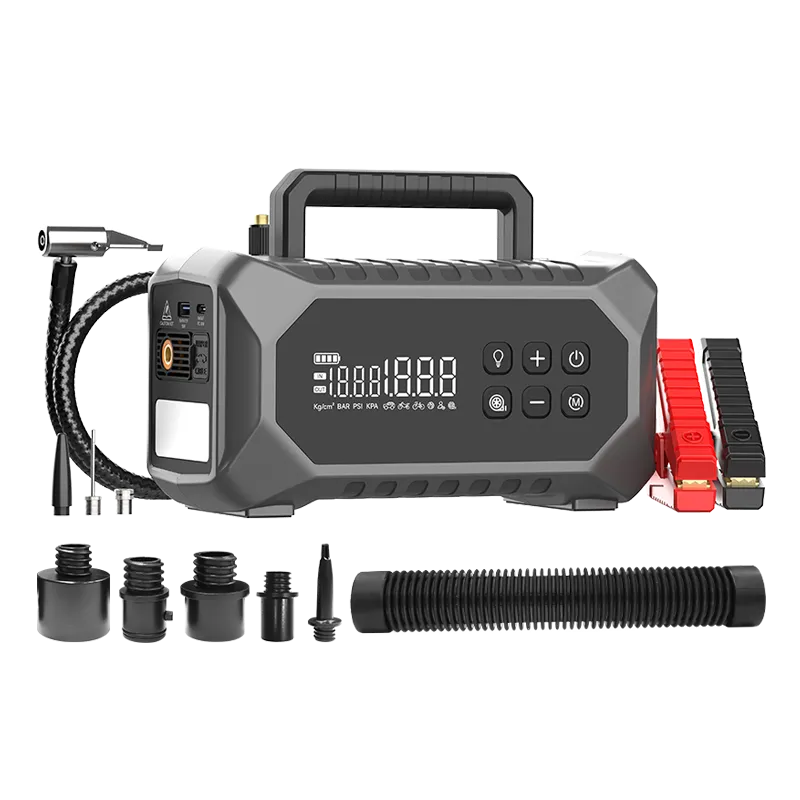
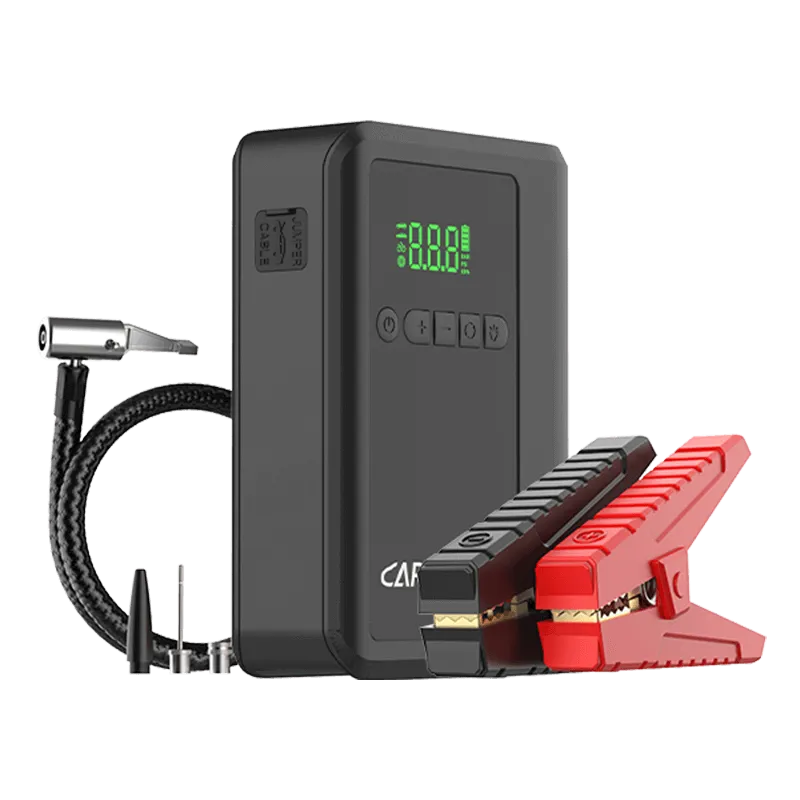
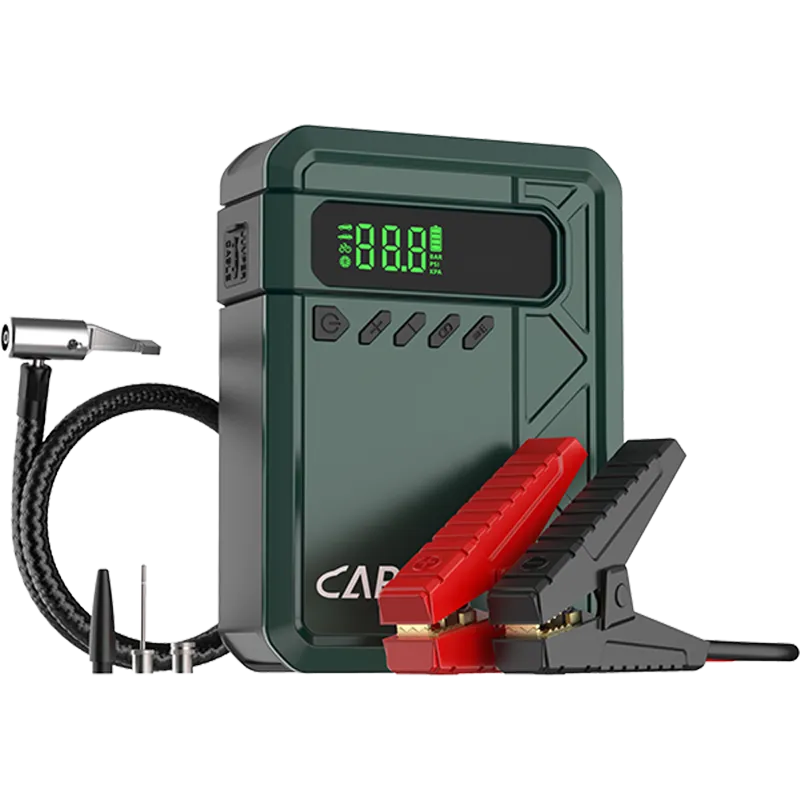
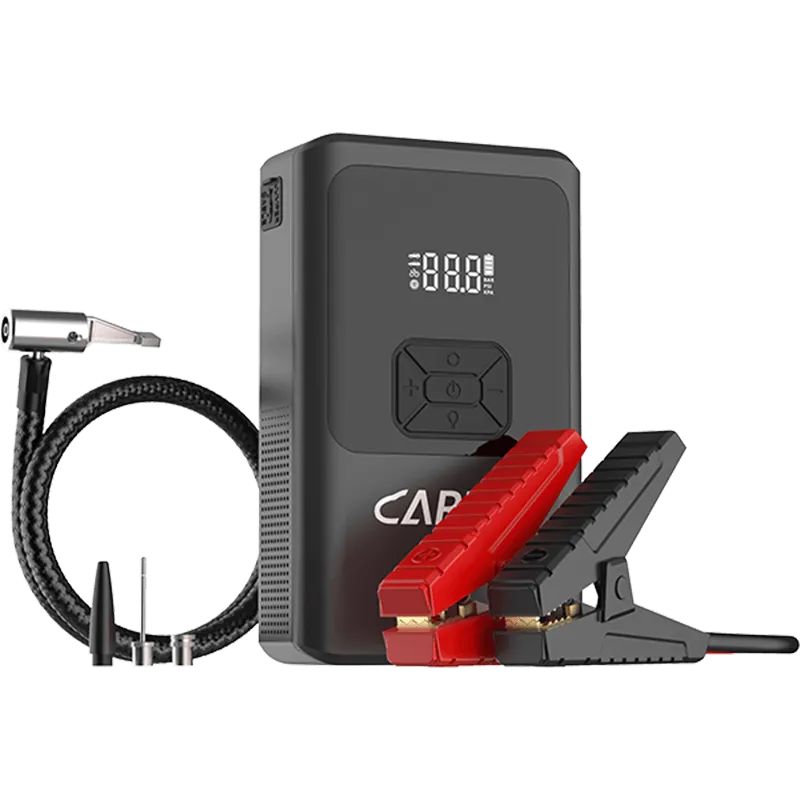
A CARKU jump starter is a portable, heavy-duty battery pack designed to start your vehicle independently, including 12V and 24V jump starters. Unlike traditional jumper cables, it delivers safe, reliable power with built-in protections against reverse polarity, sparks, and overloads. Engineered for tough conditions, CARKU sodium-ion jump starters leverage Na⁺ technology to ensure your car can start during winter emergencies. Unlike jumper cables, it combines all functionality into a single, compact, and easy-to-use tool.
Why Would a Car Need to Be a Jump Starter?
When comparing car jump starters to jumper cables, there is a clear front runner in terms of safety and battery health. They may function the same if used properly, but car jump starters have built-in safety devices that help prevent battery damage. An integrated BMS regulates the current delivered to the battery, ensuring a moderate thermal response.
Most importantly, the health of the battery is protected against reverse polarity. Most battery jump starters automatically detect reverse polarity and prevent connection to the internal battery. Since the greatest risk is associated with reverse polarity, battery jump starters are preferred over jumper cables in place.
The best smart intelligent protection? Reasonable adherence to the car jump starter's instruction manual .However, there are disadvantages to jumper cables and crossover starting.One of the most challenging issues with crossover starting is that typically, cars that are boosted don't run long enough to replenish the battery's energy stores. They are moved, parked, and shut down and require another boost within a short period of time. Even if the cars are started, future problems can be avoided if they are put into a queue to keep the batteries fully charged.A good practice is to train all employees in the proper use of emergency car jump starter, jumper cables, and battery chargers, and to maintain diagnostic battery chargers available for use.
Jump Starter vs Jumper Cables: Which Is Safer?
When comparing jumper cables vs jump starter, the choice often comes down to safety and convenience.
Safety: Jumper cables require a second vehicle and correct cable connections between two batteries. Mistakes such as reversed polarity or voltage mismatch can cause sparks or electrical damage. In the debate of jump box vs jumper cables, portable jump starters usually offer safer operation because many models include built-in protections like reverse polarity and short-circuit protection.
Convenience and long-term value: Jumper cables can still make sense if you rarely drive alone, always have access to another vehicle, and want the lowest-cost backup option. However, a portable jump starter allows one person to start a vehicle independently and works even when no other car is available. For many modern drivers, this independence makes a jump starter the more practical long-term solution.
Frequently Asked Questions
1. Can I jump start a 12 volt with a 24 volt?
You should not jump start a 12V battery with a 24V system. The higher voltage can damage the vehicle’s electrical system, battery, or ECU. Always use a matching voltage jump starter—12V for cars, 24V units for heavy-duty trucks, and 12V&24V jump starter for cars and trucks.
2. Is it safe to keep jump starter in car?
Storage tips you need to know. Keep it in a temperature-controlled area of your car (not the trunk in summer heat) and check the charge every few months.
3. Is a jump box better than jumper cables?
In most cases, a jump starter is the better choice for both cars and trucks.A jump box is more convenient, portable, and usually safer because many models come with built-in safety protections. Jumper cables are cheaper, but they require another vehicle and proper connections, which increases the risk of mistakes.
Why Trust Carku?
When it comes to lithium jump starters, you really need to pay attention to who's actually manufacturing these portable jump starters. Seek out lithium battery packs from reputable factories that hold proper certifications, such as ISO standards, CE markings, and FCC compliance. Ensure that the electronics you carry are certified.








 Jump Starter ODM/OEM Solutions
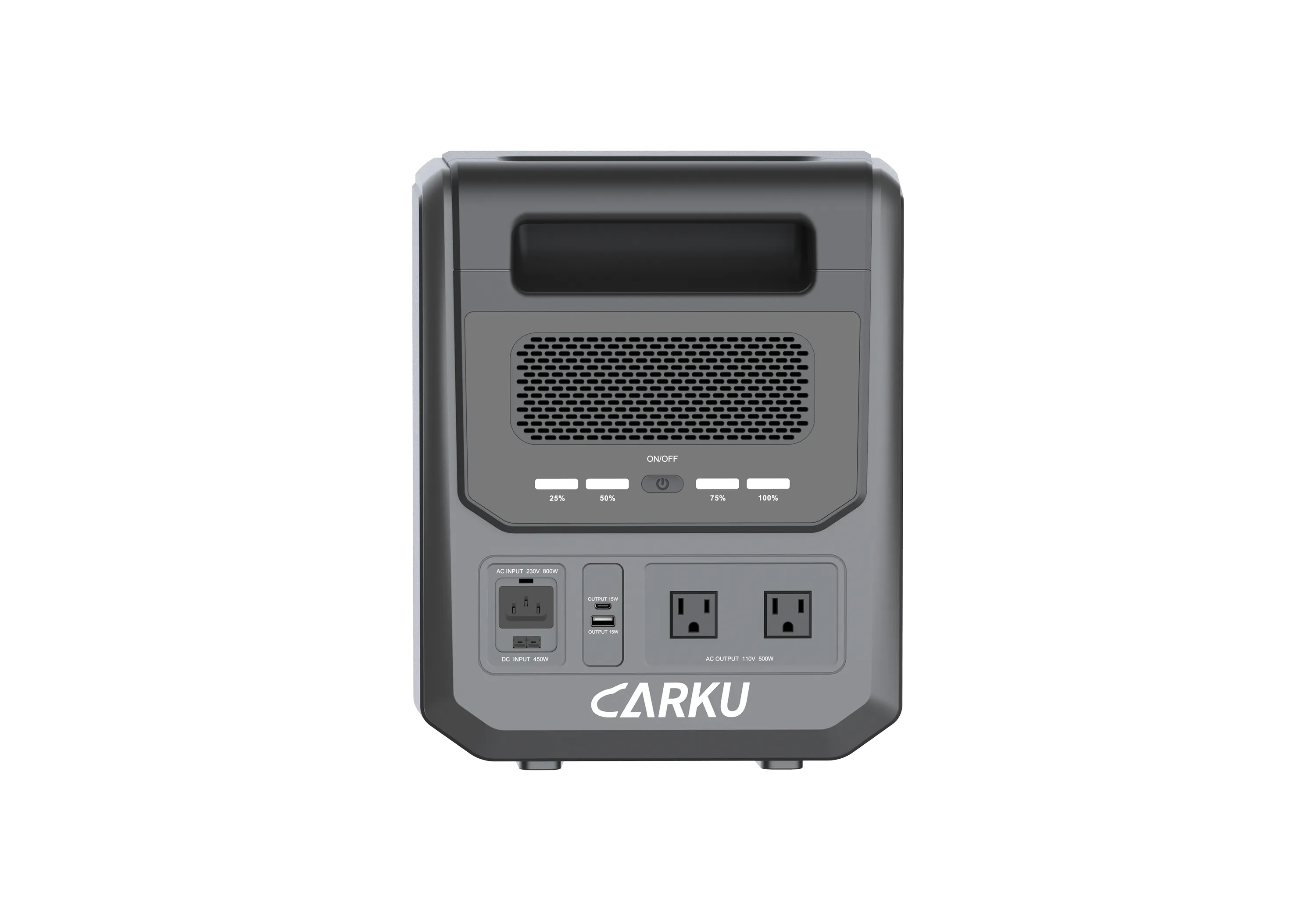
 Portable Power Station ODM/OEM Solutions
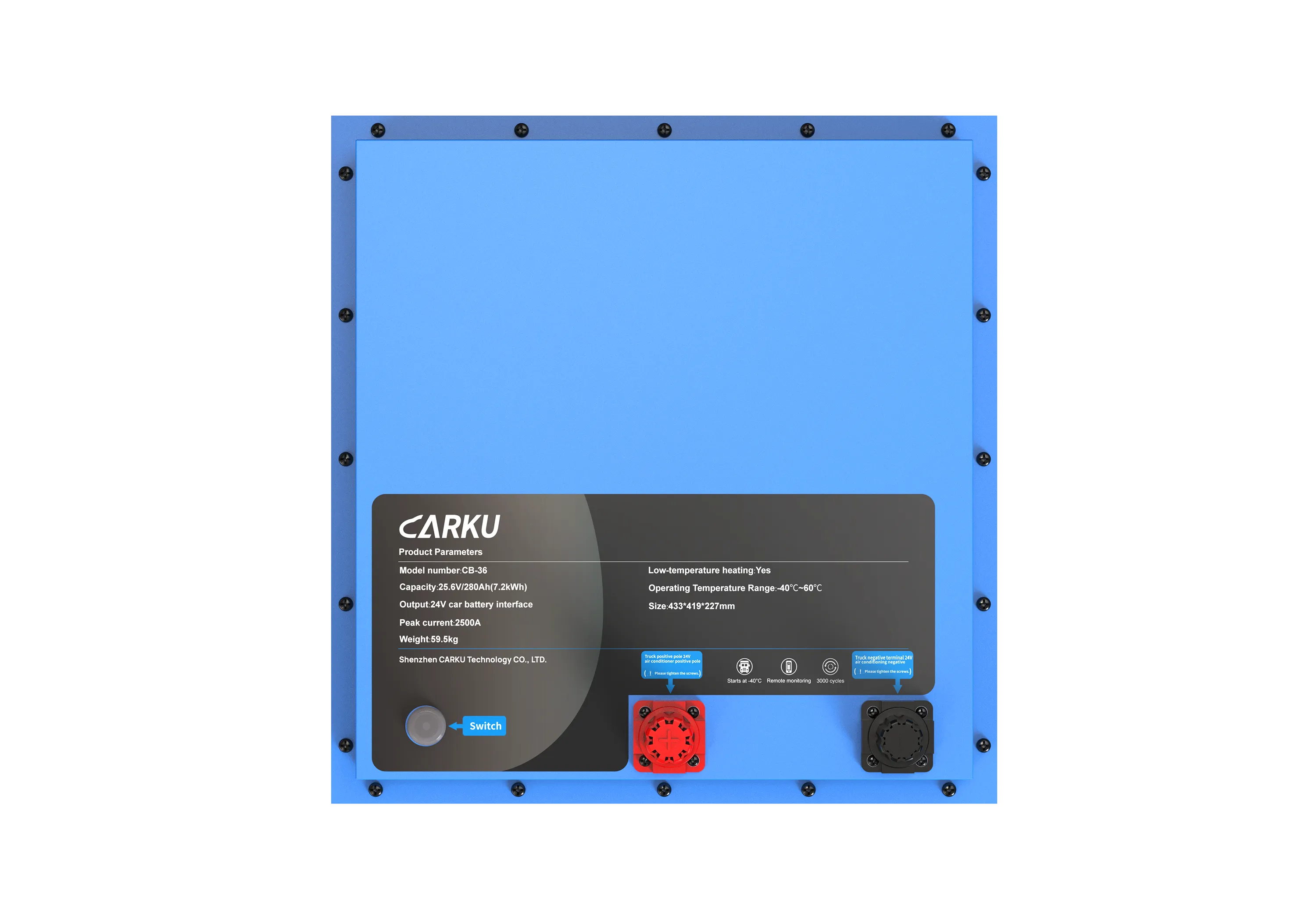
 Starting Battery ODM/OEM Solutions
 ABOUT CARKU
 STRENGTH FACTORY
 THE DEVELOPMENT HISTORY OF CARKU
 CORE COMPETITIVENESS
 COMPANY CULTURE
 QUALIFICATION
 CARKU News
 CARKU Exhibitions
 CARKU Battery Applications