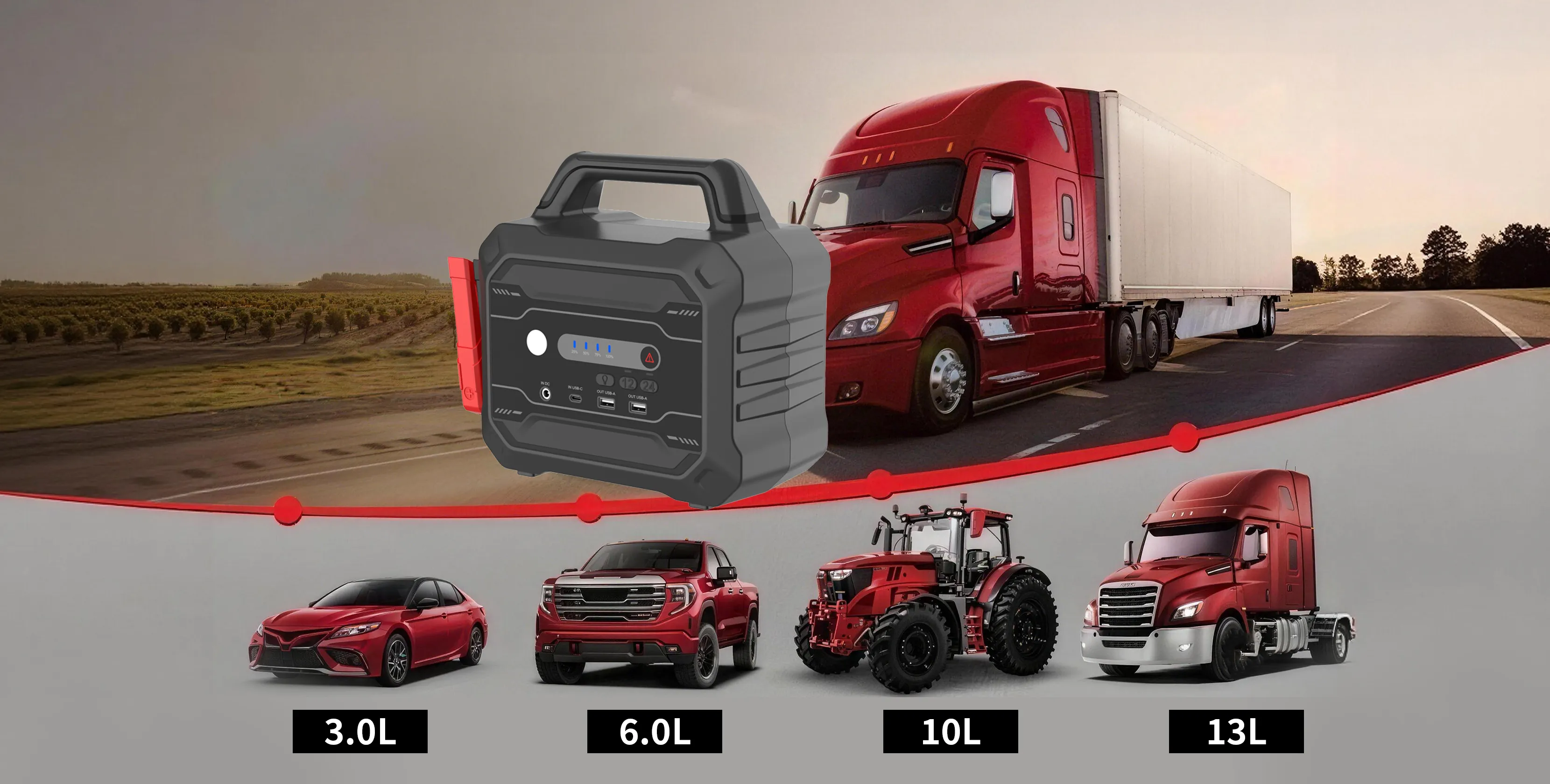
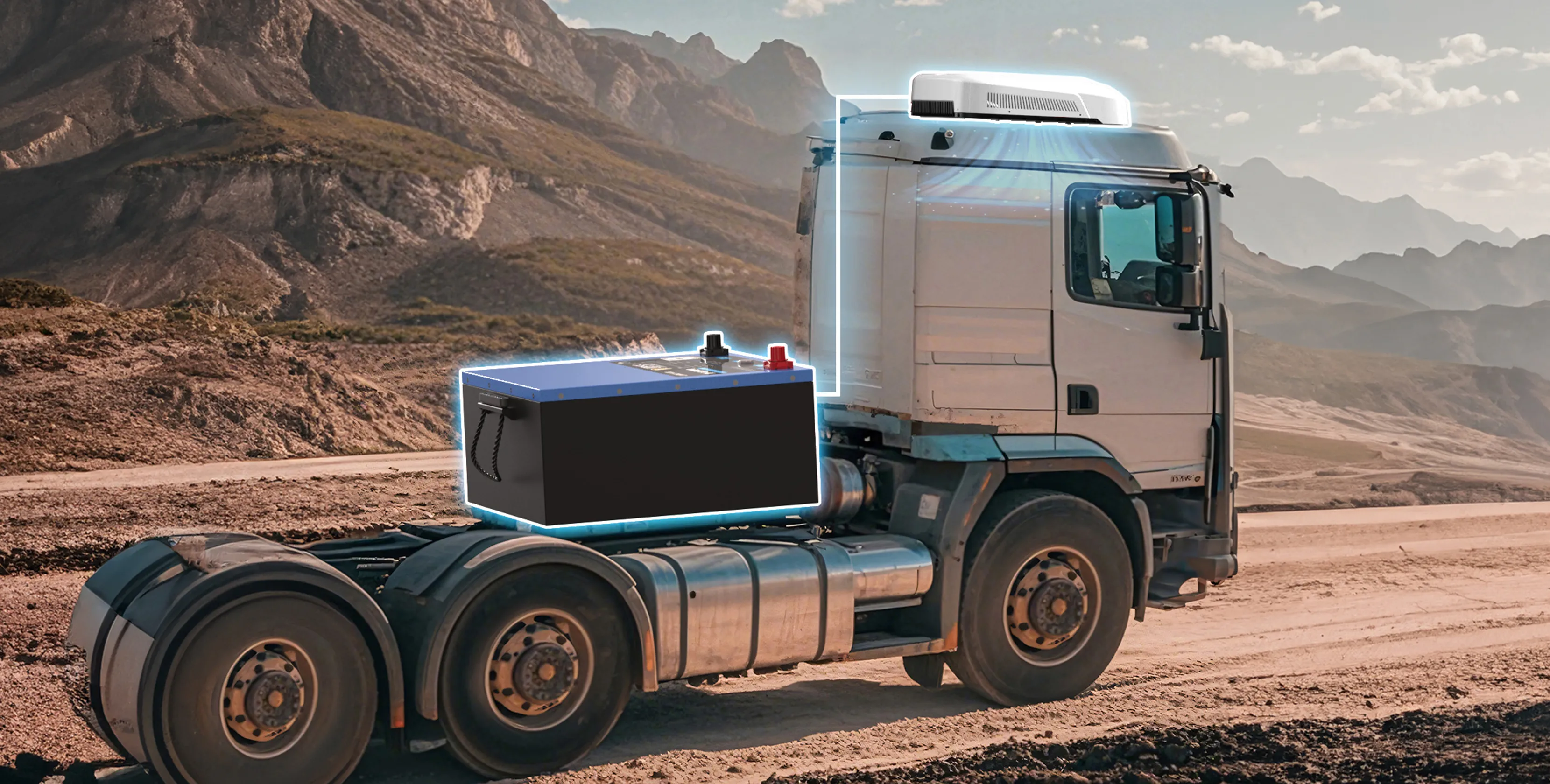
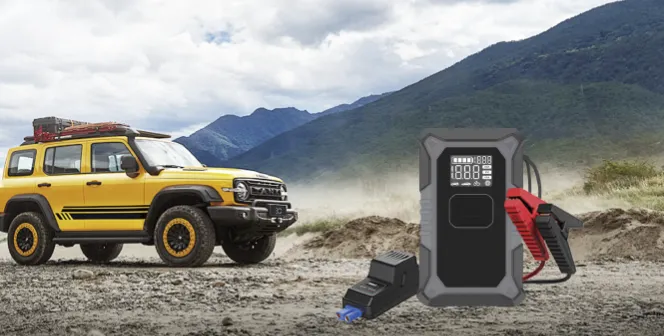
Different vehicles—from compact cars to trucks—require stable and sustained current, not just a momentary surge.This is especially important when considering how many amps to jump start a truck, where engine size and load demand much higher and more consistent output.
Modern jump starter solutions like a rugged jump starter or a high-quality car battery jump starter are designed to deliver reliable power under load, ensuring your engine turns over smoothly instead of failing after a brief attempt.
How Many Amps Do I Need to Jump-start a Car?
For customers wondering how many amps are needed to jump start a car or how many amps are needed to jump start a car, the answer depends on engine size, temperature, and battery condition.
The key factor is not peak amps, but sustained starting current. This is what determines whether the engine can keep turning long enough to start—especially in cold weather or when the battery is weak.
A standard 12V gasoline car battery delivers 400–800 CCA, which is sufficient for most vehicles. If you're wondering details of how many amps to jump start a V8, larger engines naturally require higher and more stable current output.
For reliable starts, light-duty gas trucks (V6/V8) typically require around 1000–3250 amps of available starting power, depending on conditions. Choosing a truck jump starter with consistent output ensures dependable performance, especially in cold environments.
This is why diesel commercial and long-haul trucks often struggle to start in winter. Cold temperatures significantly reduce battery chemical reaction efficiency and current output, while thickened engine oil increases mechanical resistance, further raising the required starting current.
If you drive a diesel truck or work in fleet maintenance, invest in a dedicated jump box for diesel trucks with a reliable starting current rating and proven cold-weather performance (rated to at least -20°C).
Next, let’s look at how typical starting amp requirements by vehicle type.
-
Small gasoline cars (1.0–2.0L engines): Need 400A–800A starting amps (1000A peak is reliable)
-
Mid-to-large gasoline cars (2.0–4.0L, including turbocharged): Need 800A–1500A starting amps
Note:1500–3200 Amp Jump Starters: Everyday Power You Can Rely On
-
Diesel vehicles, pickups, commercial vehicles(4.0L-6.6L): Require at least 1500A–3000A starting amps—higher is more reliable
Note:4000+ Amp Jump Starters Deliver Industrial-Grade Performance for 12V & 24V Applications
In short, choosing a jump starter with sufficient starting amps matched to your engine type is the key to reliable starts.
Compare Different Jump-start Model Vehicles
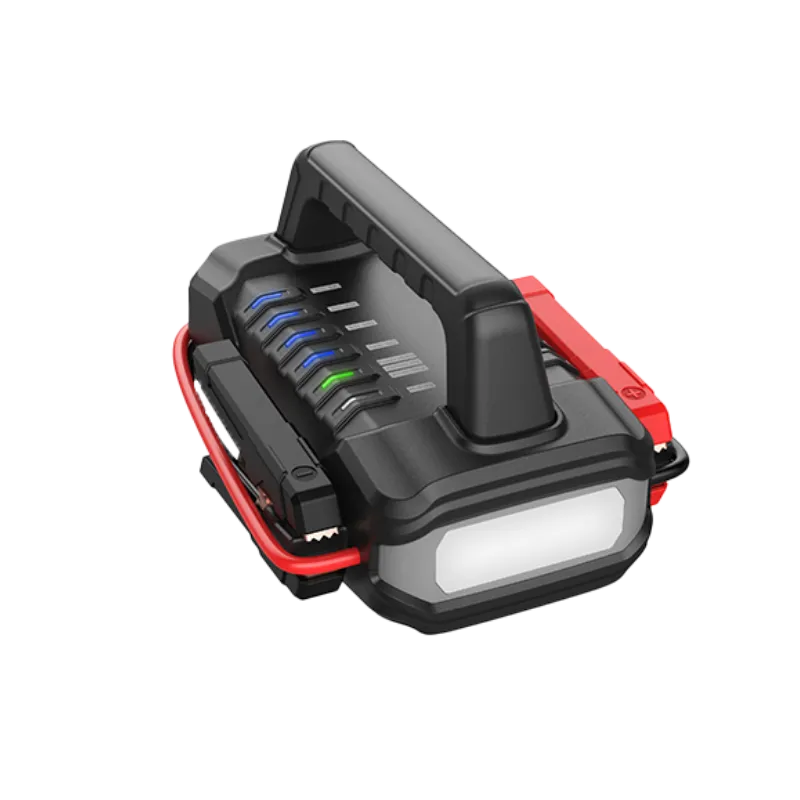
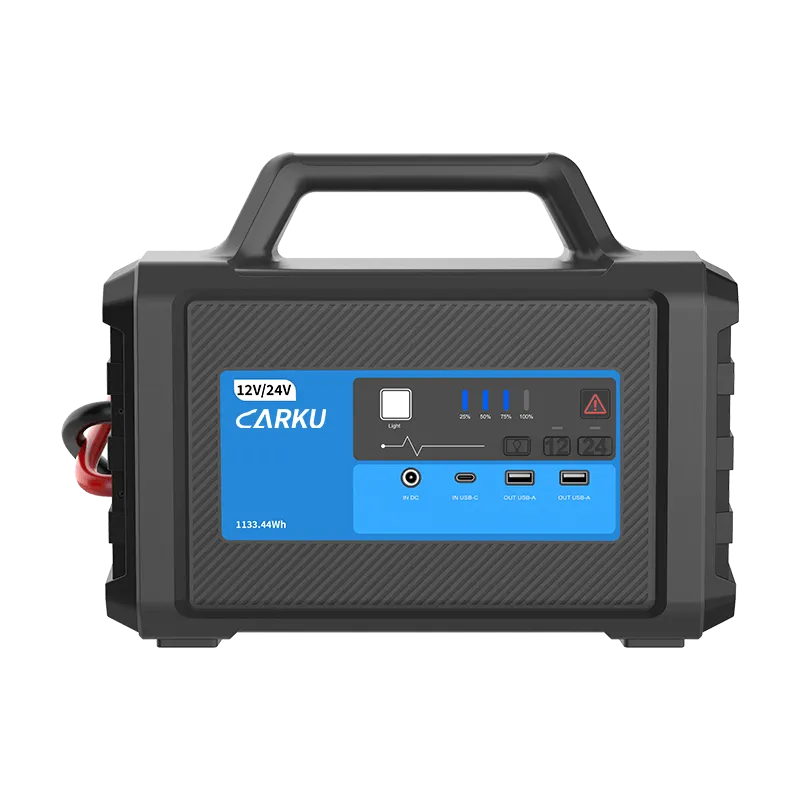
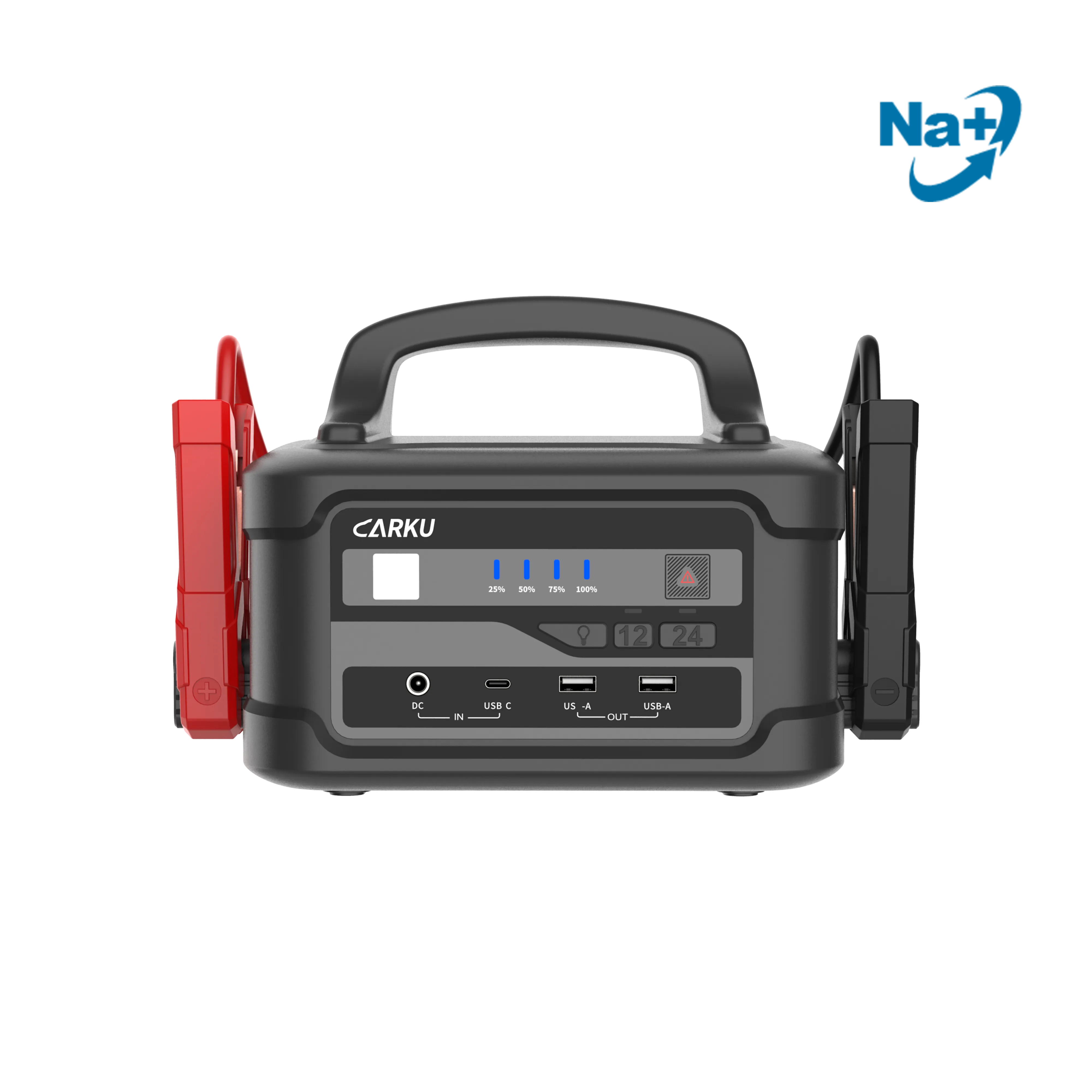
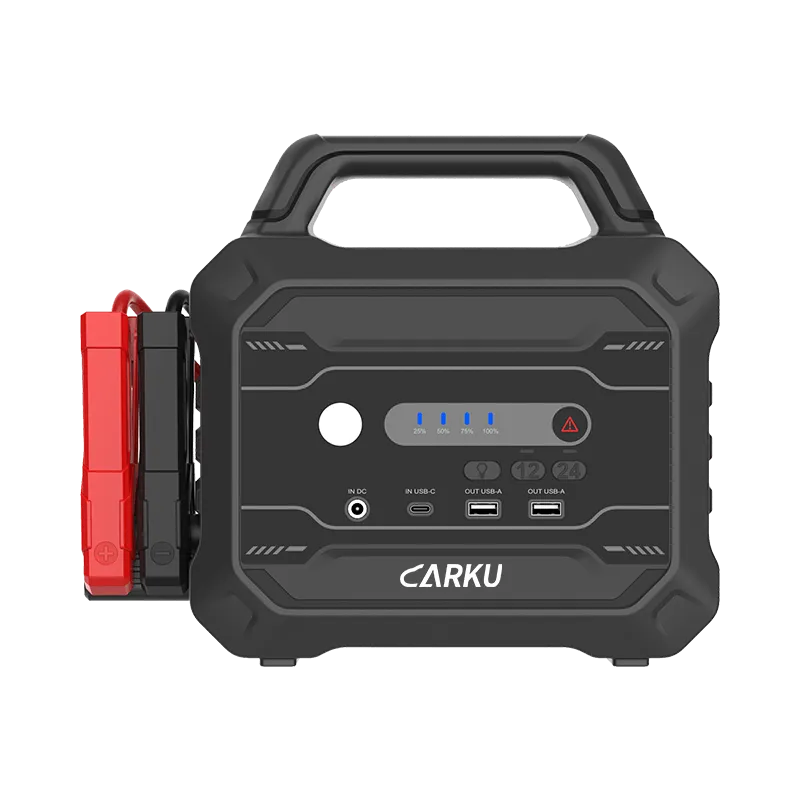
If you’re comparing high amp jump starter models,you’ll often see terms like 4000 amp jump starter or 2000 peak amp jump starter. For example, heavy-duty jump starter such as 4000 amp jump starters (e.g.,Carku 4000 amp, NOCO 4000 amp, GOOLOO GP4000, Avapow 4000A jump starter) are designed for larger engines and can handle diesel trucks, fleet and commercial use.
Now that we understand how amp ratings work, let’s compare how different jump starters perform for everyday vehicles versus professional use.
What Is The Best Amp For a Car Jump Starter?
Different Choosing the right jump starter depends largely on your vehicle size, engine displacement, and fuel type. Here’s a quick reference chart summarizing the recommended starting amps and peak amps for different vehicle categories.
Vehicle Type
|
Engine Size / Fuel Type
|
Amps needs
|
Exanple products(Reference)
|
Typical Usage Scenario
|
|
Compact Cars/Small Suvs
|
Under 2.0L Gasoline
|
400A–800A
|
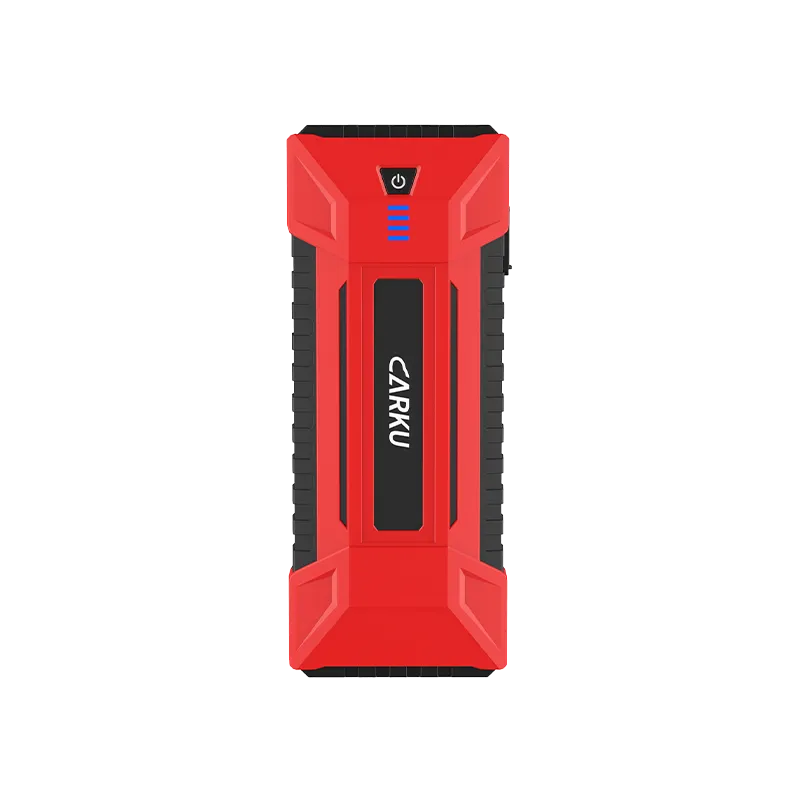
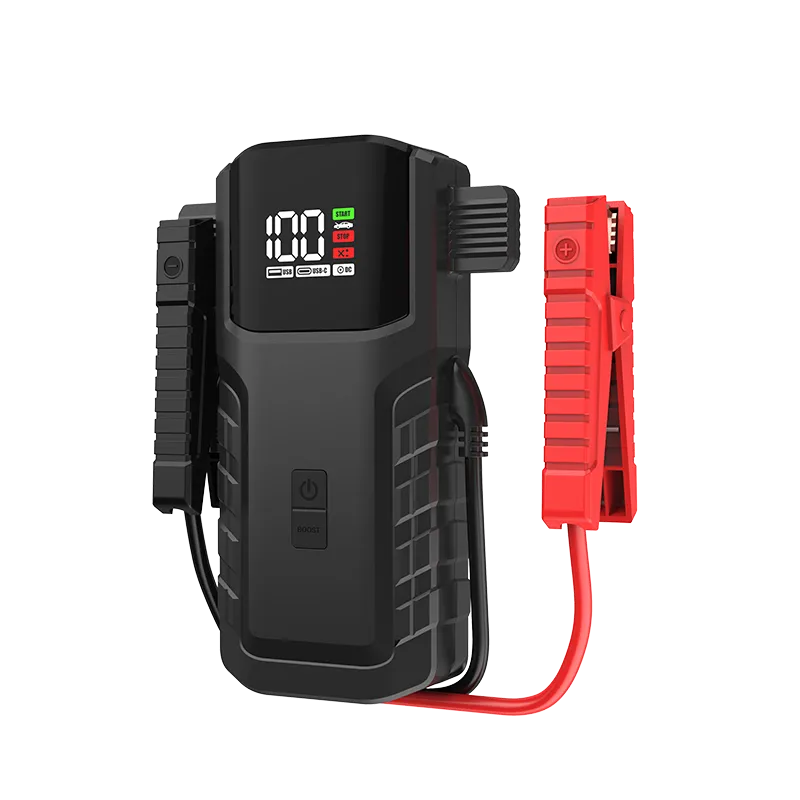
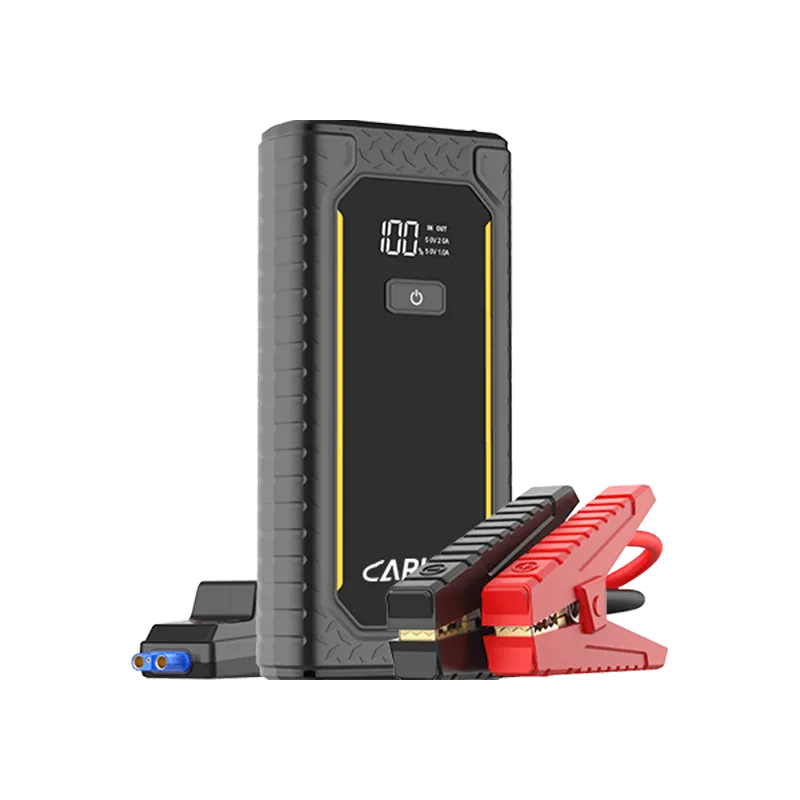
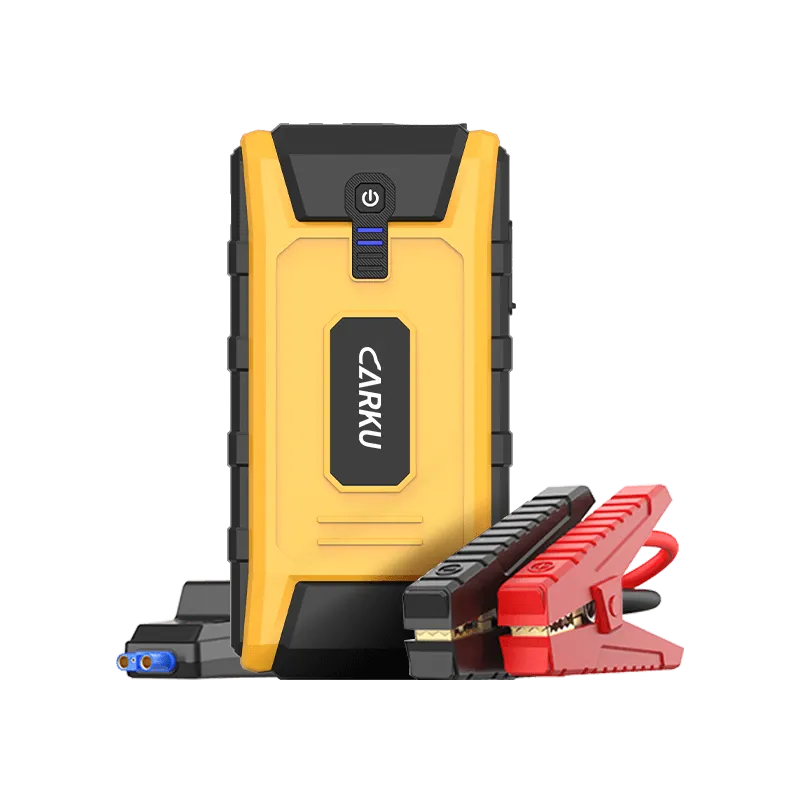
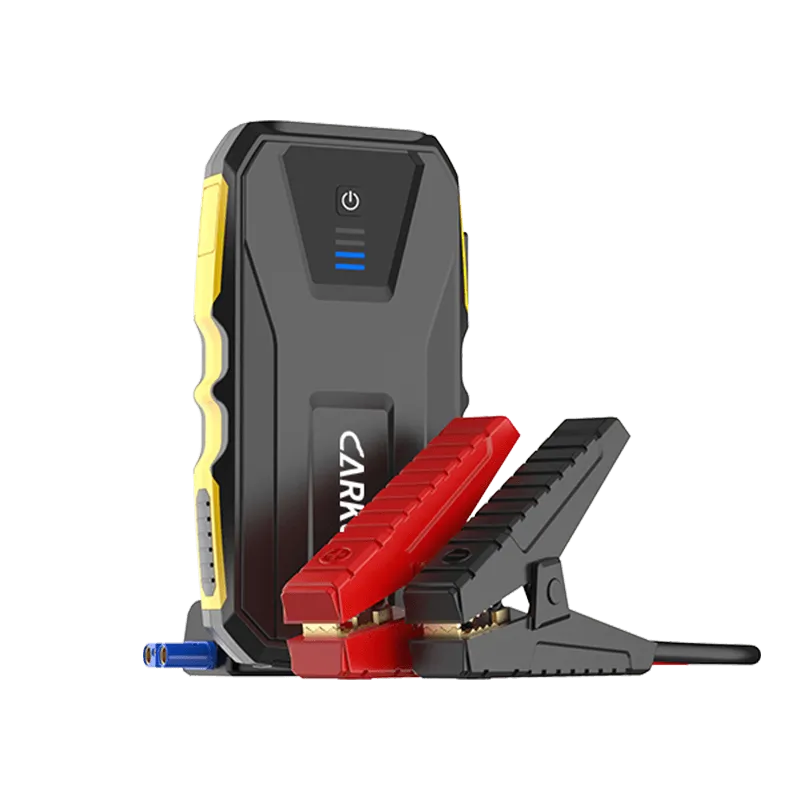
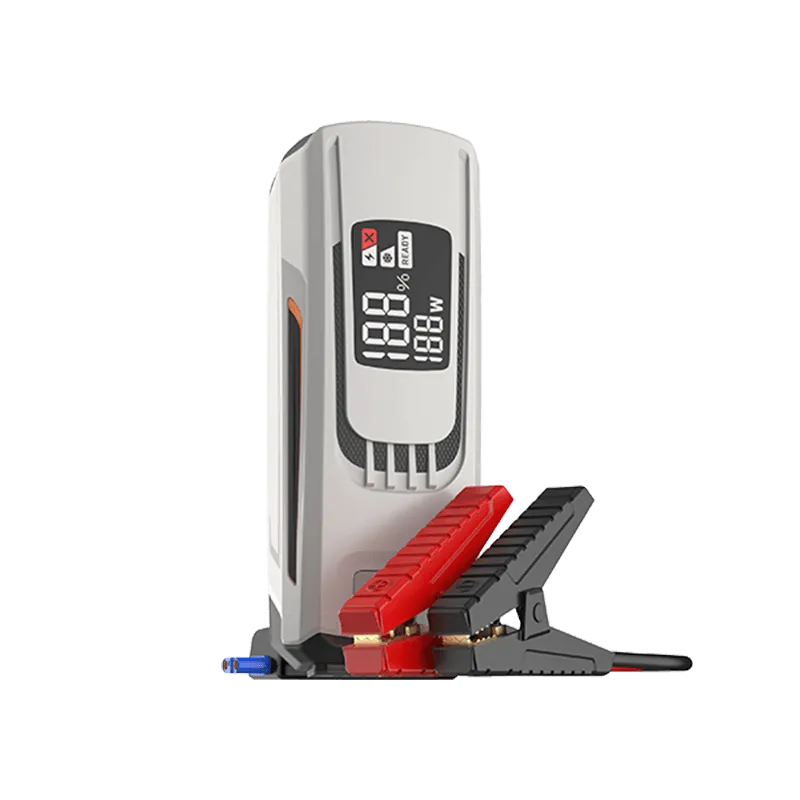
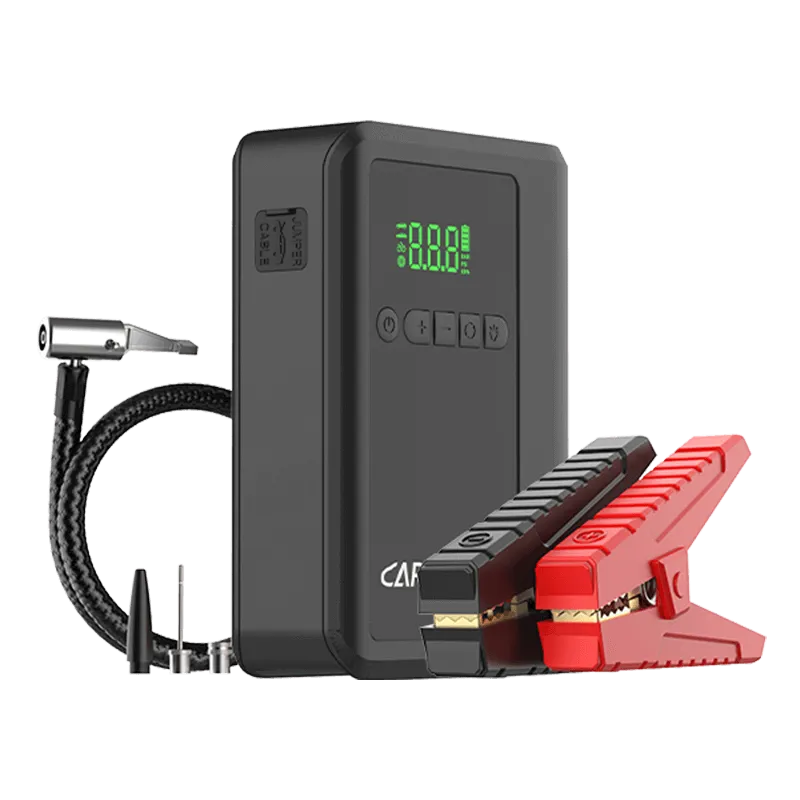
CARKU 12V jump starter(JS351)
|
Daily commuting for starting
|
|
Mid-to-Large SUVs / Turbo Gasoline Cars
|
2.0L–4.0L Gasoline
|
800A–1500A
|
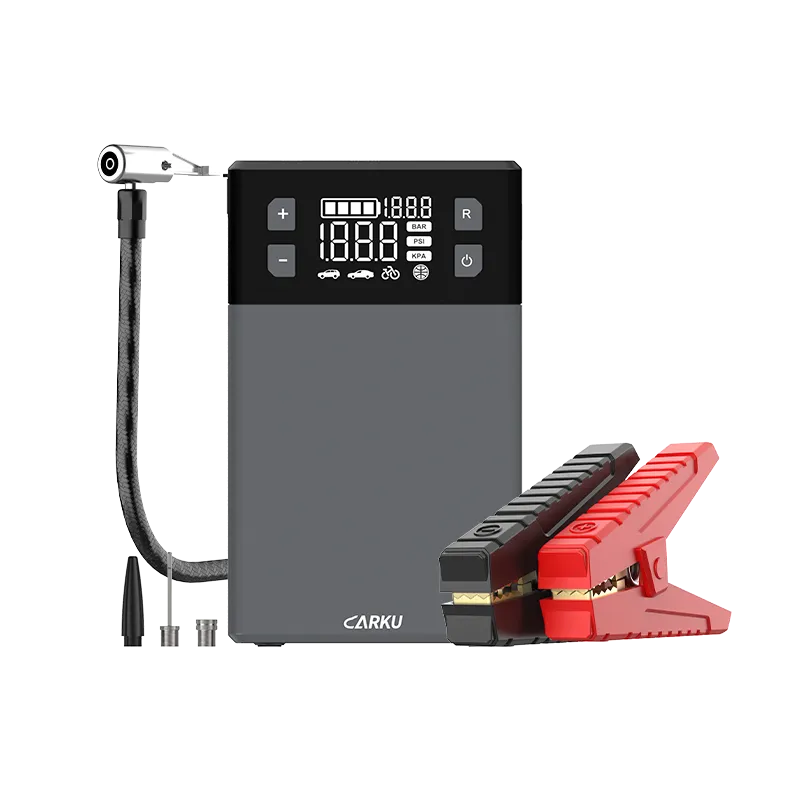
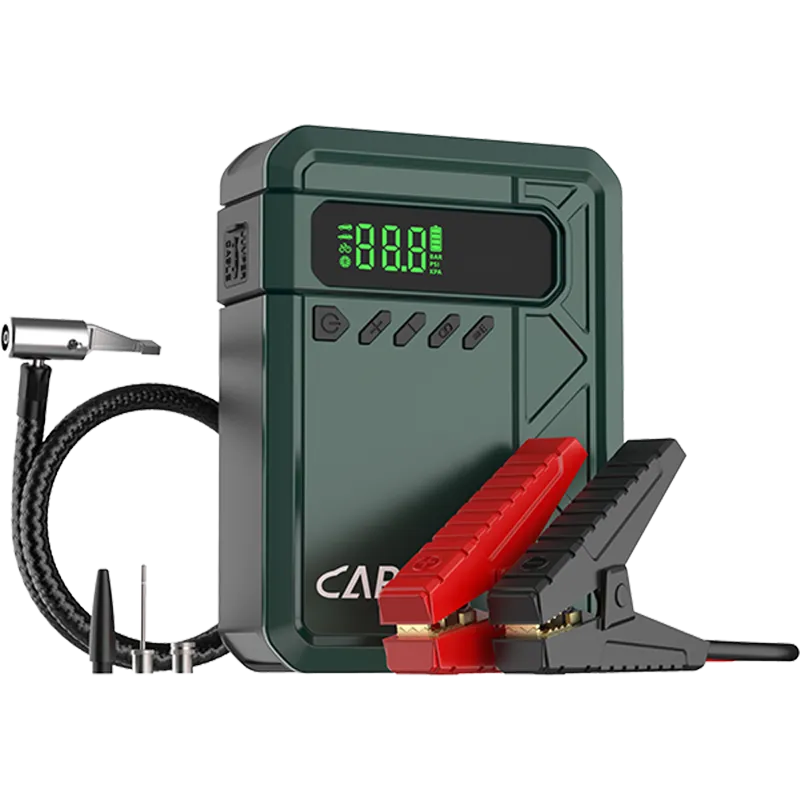
CARKU jump starter&tire inflator(JS577F)
|
Multi functional:Jump starter & tire inflator in one.
|
Diesel Cars / Light Pickups
|
3.0L+ Diesel
|
1500A–4000A
|
Gooloo GP4000
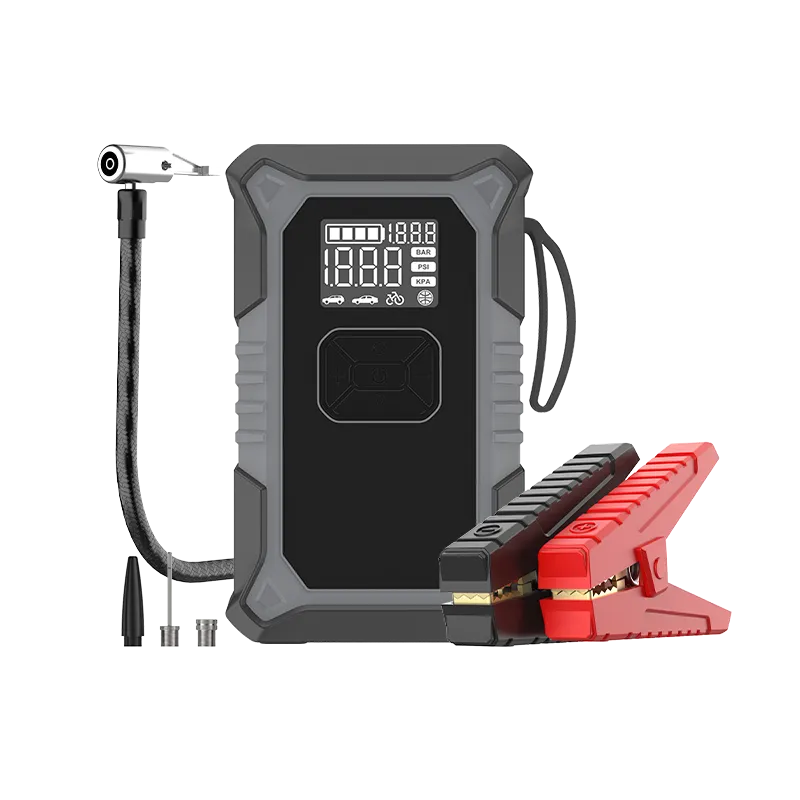
CARKU JS558
|
Diesel passenger cars, light-duty trucks
|
Industrial & Heavy-Duty Vehicles
|
High-displacement Diesel
|
7000A
|
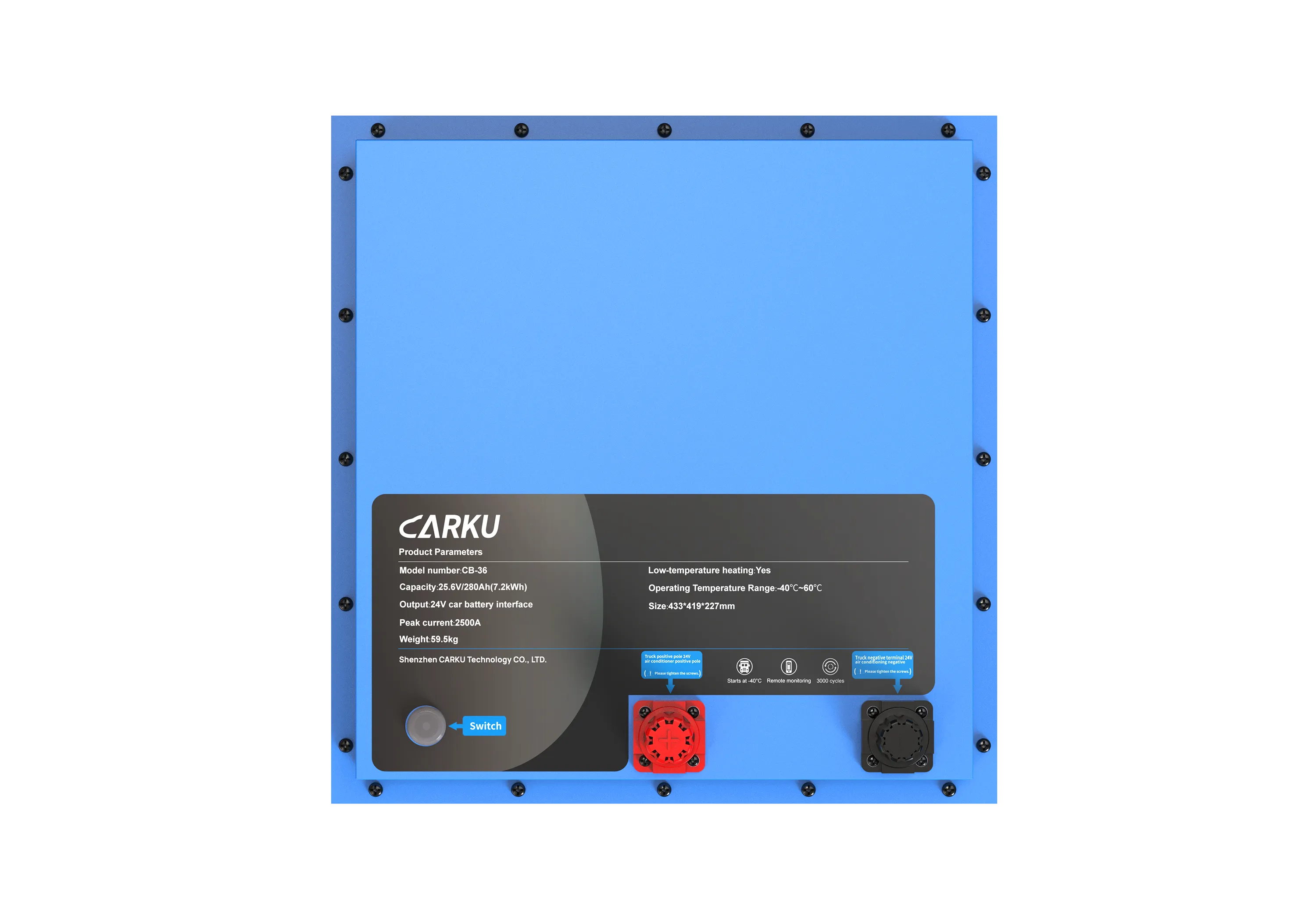
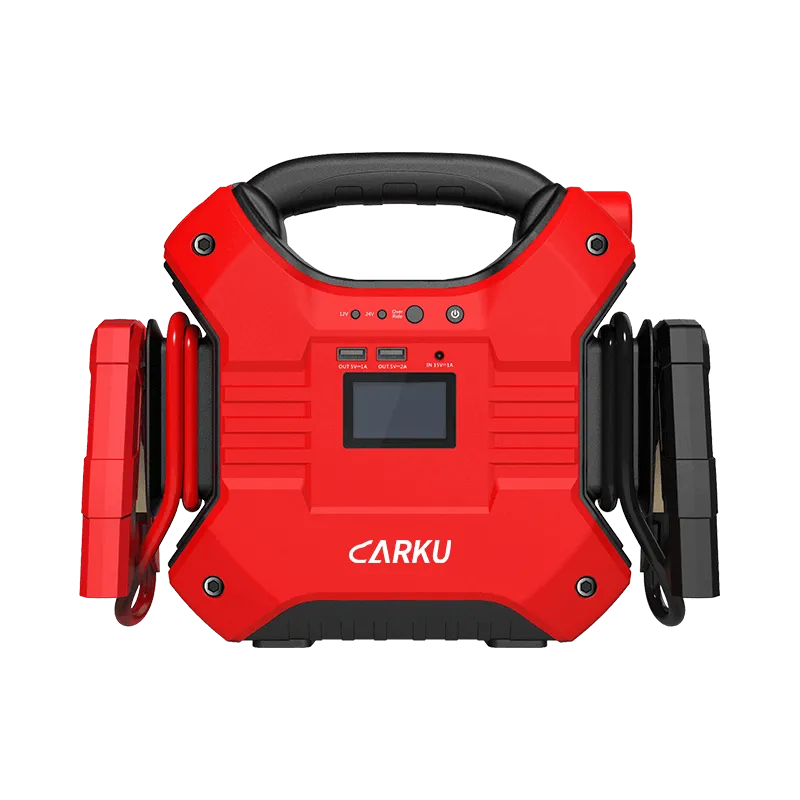
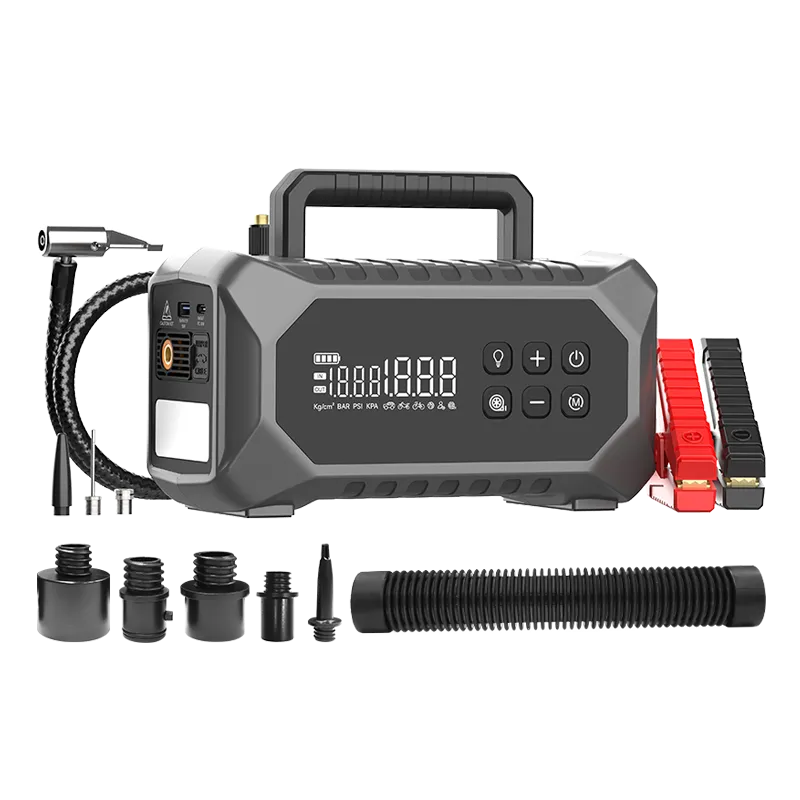
CARKU 24V jump starter (JS393 / JS373)
|
Heavy duty fleets
|
By matching your vehicle type and usage needs to the right amp range, you’ll ensure reliable starts year-round — whether it’s your daily commute or a commercial fleet in harsh weather.
In Conclusion
Use this chart as a quick reference to match your vehicle’s engine type and size with the proper jump starter range. The higher the starting amps, the more consistent power your jump starter can deliver, ensuring faster, more reliable starts under all conditions.
FAQs: How Many Amps to Jump Start a Car
Q1: Is a 1000 amp jump starter enough, or is 2000 amps better?
A1: Yes. Smaller engines generally need fewer amps, while larger engines demand more power. As a rule of thumb, most everyday passenger vehicles are covered by jump starters under 1000 amps.
Q2:Does cold weather affect how many amps I need?
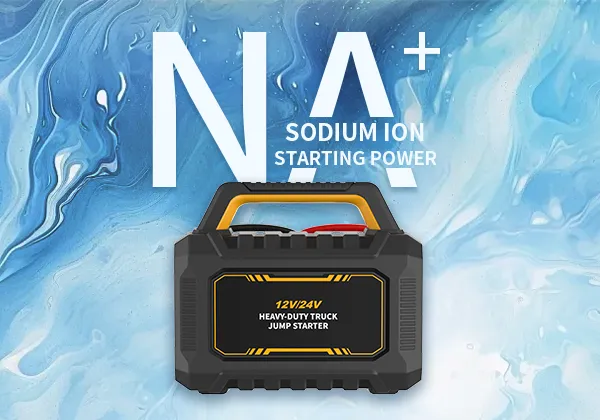
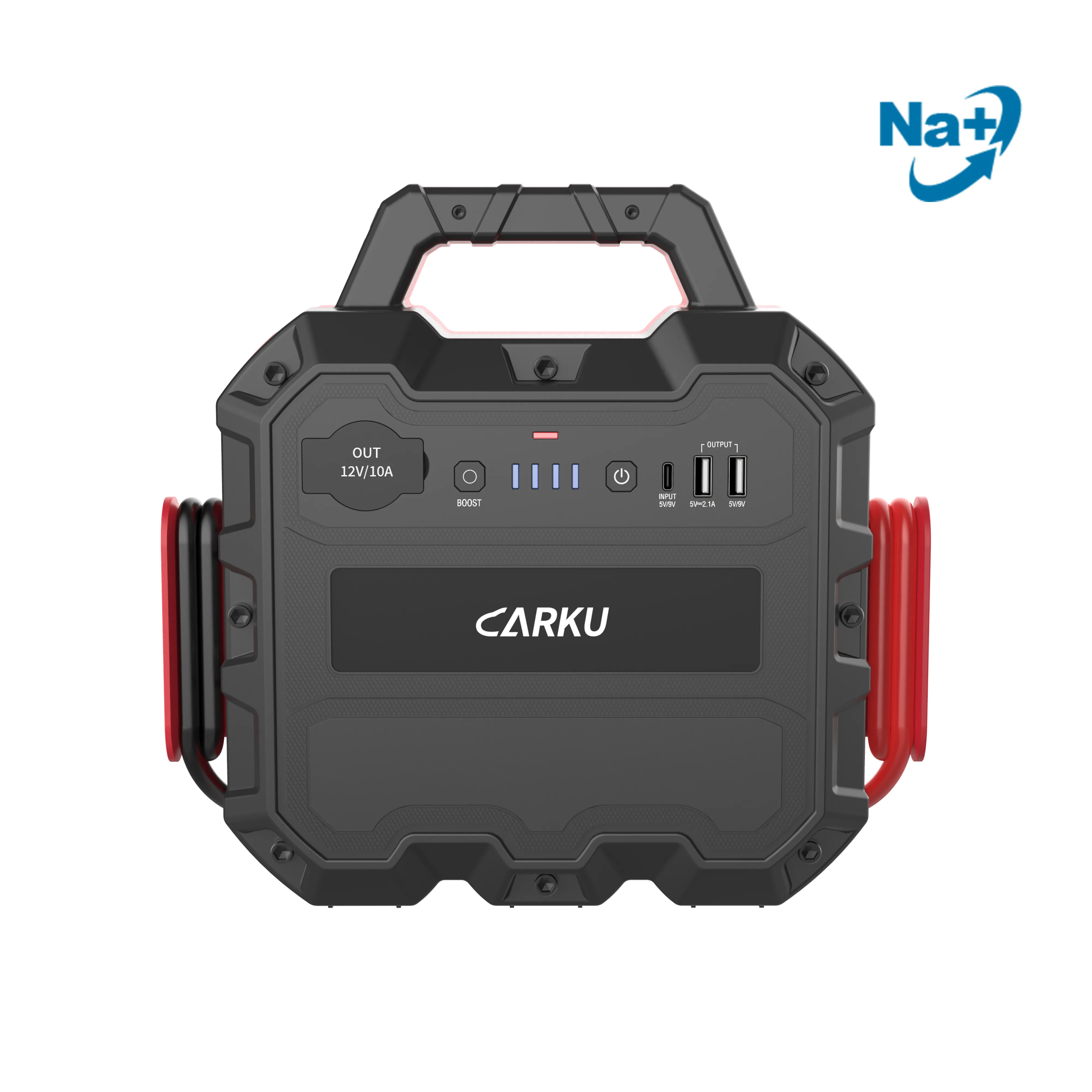
A2: Absolutely. Frigid temperatures reduce battery performance, meaning you may need a higher-amperage and sodium-ion jump starter to successfully start your engine in harsh winter conditions.
Q3:What convenience features are worth considering in a portable jump starter?
A3: A compact, lightweight design makes storage and transport easy. Bonus features like a built-in flashlight, USB charging ports, and a carrying case add extra practicality — especially in roadside emergencies.
Q4:Does a bigger engine require more amps to jump start?
A4:Peak amps alone can be misleading. A reliable car jump start kit with strong sustained output usually performs more consistently across gasoline and diesel engines, especially in cold weather.




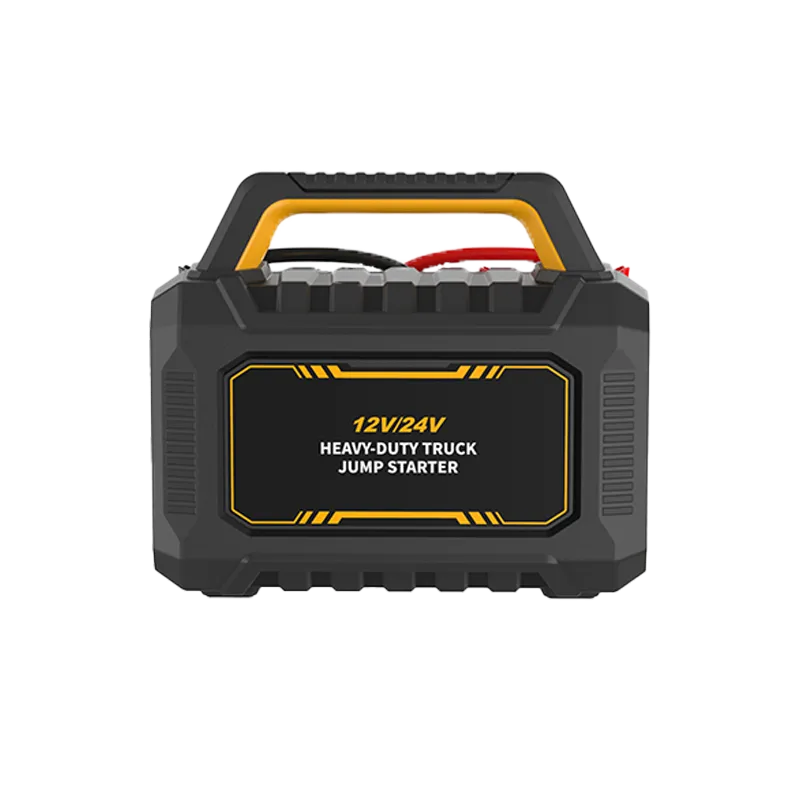
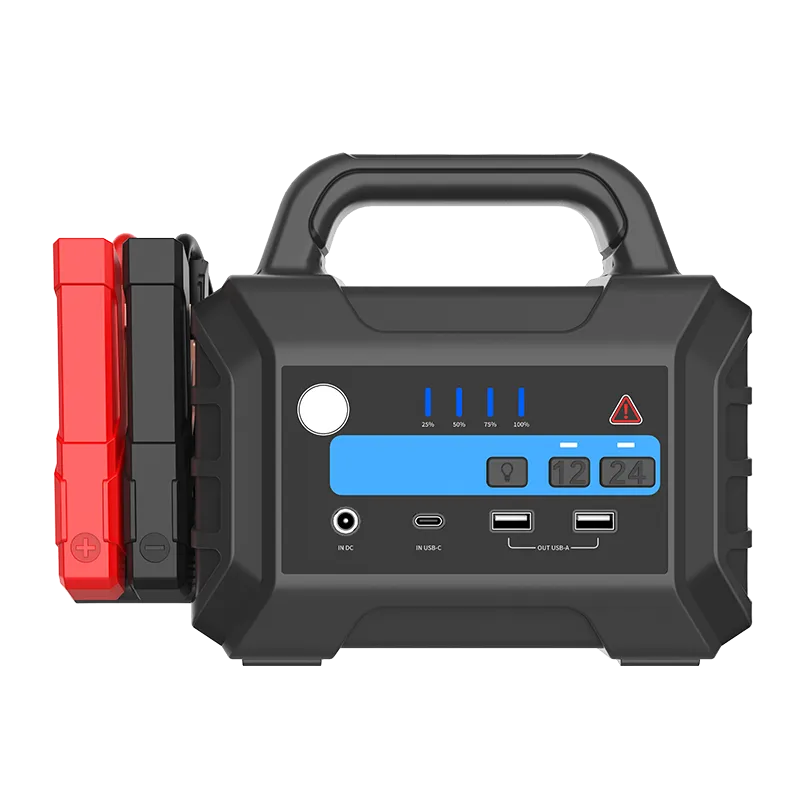

 Jump Starter ODM/OEM Solutions
 Portable Power Station ODM/OEM Solutions
 Starting Battery ODM/OEM Solutions
 ABOUT CARKU
 STRENGTH FACTORY
 THE DEVELOPMENT HISTORY OF CARKU
 CORE COMPETITIVENESS
 COMPANY CULTURE
 QUALIFICATION
 CARKU News
 CARKU Exhibitions
 CARKU Battery Applications