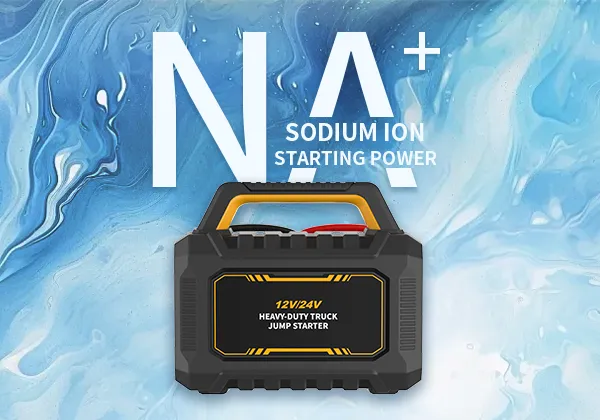
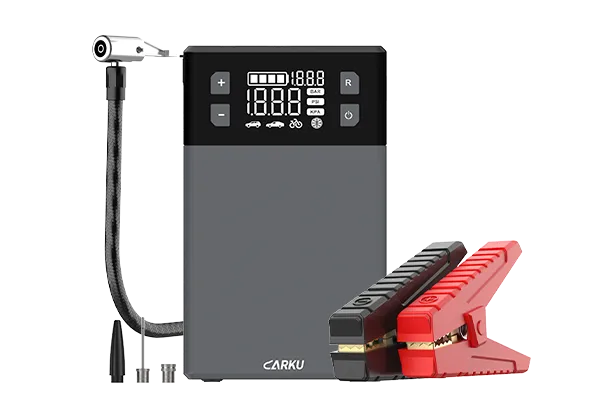
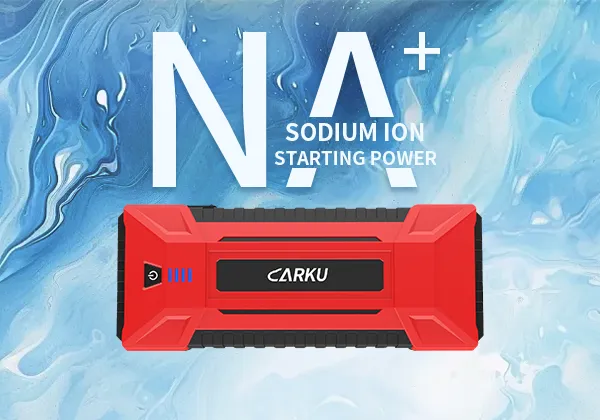
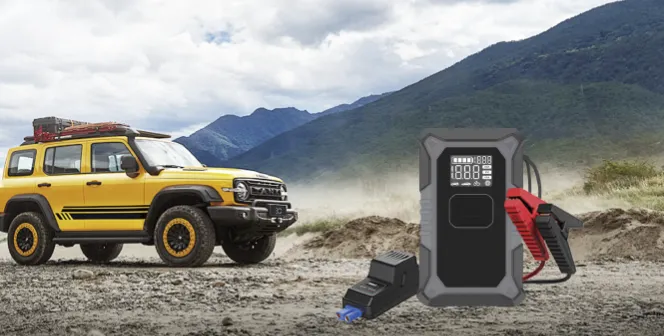
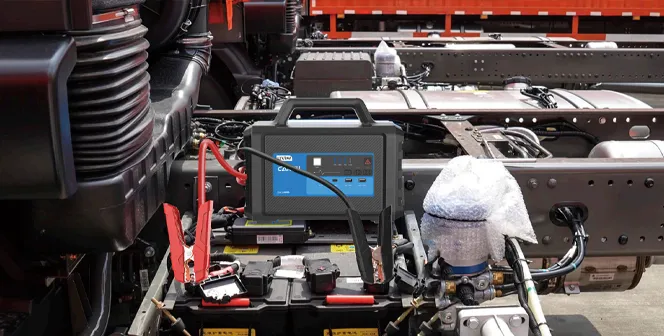
Lithium batteries have an average cycle life of between 3 and 10 years. Their technology is widely used in electronics and electric vehicles. In recent years, lithium batteries have also begun to be used in jump starters. So they meant lithium jump starters. Considering to pick up a good jump starter, understand the best lithium battery for jump starter is safe.
What Is The Lifespan of Lithium Jump Starters Last?
Lithium jump starters typically last much longer than traditional lead-acid battery jump starters. Depending on battery chemistry, usage conditions, and maintenance practices, a high-quality lithium jump starter can provide reliable starting power for 5–10 years or even longer.
However, there is no single lifespan that applies to every user. Some owners may replace a jump starter after only 3–5 years, while others continue using the same unit for much longer. The difference often comes down to factors such as operating temperature, charging frequency, storage conditions, and how often the jump starter is used.
For example, car jump starters regularly exposed to high temperatures in tropical climates or stored for long periods without recharging may experience faster battery aging. Frequent deep discharges and improper charging habits can also shorten service life. By comparison, a properly maintained LiFePO4 jump starter or sodium-ion jump starter can retain strong starting performance for many years while requiring minimal maintenance.
CARKU lithium-ion and sodium-ion jump starters are designed for long cycle life and stable performance. Under normal operating conditions and with proper charging and storage practices, many models can maintain dependable starting capability over time. The following sections explain the best practices for charging, storage, and everyday use to help keep a jump starter ready when it is needed most.
How Often Do You Need To Charge A Lithium Jump Starter?
One of the most common questions among jump starter owners is how often the battery needs to be recharged. Unlike lead-acid units, lithium jump starters require relatively little maintenance, but periodic charging helps ensure the unit remains prepared for unexpected vehicle battery failures.
In general, you should recharge a lithium jump starter after every use. If the unit is rarely used, a maintenance charge every 2–3 months is recommended to prevent excessive self-discharge during storage. Leaving a jump starter completely discharged for extended periods can accelerate battery degradation and reduce its long-term performance.
Lithium jump starters can be recharged at any remaining battery level, making routine maintenance straightforward for most vehicle owners. In fact, frequent deep discharges may shorten battery life. Partial charging is completely normal and helps maintain battery health over time.
To keep your battery jumper in optimal condition:
1. Recharge the jump starter after each vehicle start.
2. Avoid storing the unit at extremely low charge levels.
3. Perform a maintenance charge every 2–3 months during long periods of inactivity.
4. Store the jump starter in a cool, dry environment whenever possible.
These maintenance practices help preserve available battery capacity and reduce the effects of long-term storage between uses.
How Do I Know When My Jump Starter Is Fully Charged?
Knowing when a lithium jump starter is fully charged helps ensure reliable performance while supporting long-term battery health. Proper charging practices, including using the recommended charger and avoiding unnecessary overcharging, can help maximize the lifespan of a lithium jump starter.
Most lithium jump starters are equipped with built-in LED battery indicators that display charging status. While indicator designs vary by model, the charging process typically follows a simple pattern:
1. A red light usually indicates the jump starter is charging.
2. A green light generally indicates the battery is fully charged.
3. Flashing LEDs may show charging progress or alert users to an abnormal connection, depending on the specific model.
In addition to visual indicators, modern lithium jump starters are protected by an integrated Battery Management System (BMS). Once the battery reaches full capacity, the BMS automatically reduces or stops charging to help prevent overcharging and protect the battery cells.
Although modern jump starters are equipped with built-in protection systems that automatically regulate charging, unplugging the unit once it reaches full charge is still a good routine practice during everyday use, especially during routine maintenance charging. Using the manufacturer-recommended charger, avoiding unnecessary charging time, and storing the unit properly can help preserve battery capacity and support a longer service life.
By following proper charging methods, users can keep their battery jumper ready for emergency vehicle starts while minimizing long-term battery degradation.
Will A Jump Starter Charge A Completely Dead Battery?
In most cases, a jump starter can start a vehicle with a completely dead battery, but it is but it is designed for engine starting rather than full battery charging. A lithium jump starter is built for starting, not charging. Its primary purpose is to deliver a short burst of high current that helps crank the engine when the vehicle battery no longer has enough power to do so on its own.
Its main functions include:
1. Provide sufficient cranking amps to start an engine with a weak or discharged battery.
2. Temporarily bypass a low-voltage battery and supply the power needed for ignition.
3. Get the engine running so the vehicle's alternator can begin recharging the battery.
Once the engine starts, the alternator—not the jump starter—becomes responsible for restoring the battery's charge. If the battery is severely damaged, sulfated, or unable to hold a charge, it may require replacement even after a successful jump start.
This function is very different from a battery charger or battery maintainer. A battery charger gradually restores energy to a low or discharged battery over several hours, while a battery maintainer keeps the battery at a healthy storage voltage during long periods of inactivity. Although these devices all support vehicle battery care, they are designed for different purposes.
It's also worth noting that frequently jump-starting vehicles with deeply discharged batteries increases the workload on the jump starter. Each emergency start requires a high-current output cycle, which contributes to overall battery usage over time. To maximize lithium jump starter lifespan, recharge the unit after each use and avoid relying on repeated jump starts as a substitute for proper battery maintenance.
For a detailed comparison of battery chargers, maintainers, and jump starters, see our related guide on battery charger vs. jump starter.
Frequently Asked Questions
1.Does a jump starter have to be fully charged to use?
A portable lithium jump starter should be fully charged before use in certain situations: Extreme temperatures: below 0℃ or very hot environments. Large engines: V8 or other high-displacement gasoline engines that require higher starting current. For regular use, following standard charging routines is sufficient.
2.Can a battery be too dead to jump-start?
Yes, a battery can be too dead to jump-start. If you follow the correct jump-starting steps and the engine still won’t start, the battery may be completely dead and need professional inspection or replacement.
3.How do I know if my portable jump starter is bad?
Use a voltmeter to test the battery voltage. If it reads less than 10.5 V, the battery is getting weak. If the jump starter shows 100% charge but still cannot start your vehicle normally, the battery may be failing and require replacement.
4.Can you jump start a lithium battery?
You can use a lithium jump starter to start a vehicle with a lithium battery, as long as the jump starter matches the vehicle’s voltage system (12V or 24V). Make sure it’s a professional jump starter designed for vehicles and follow the correct connection steps.




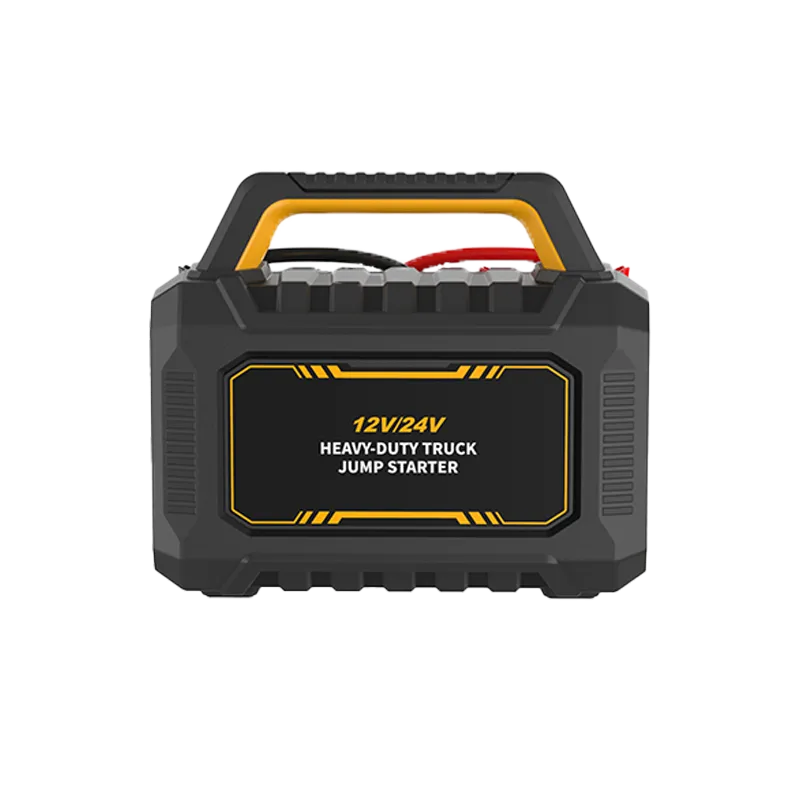
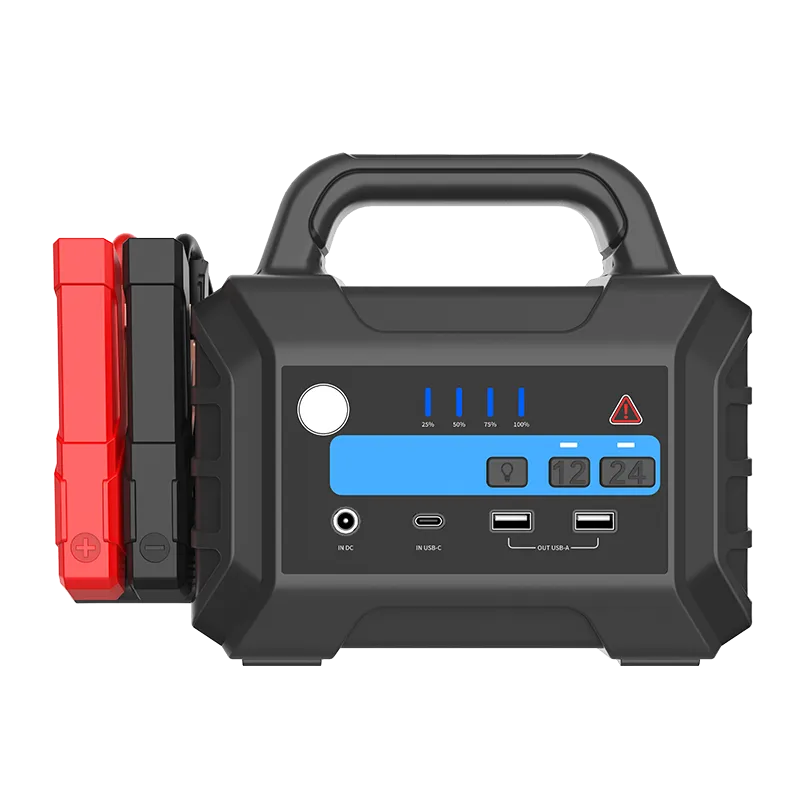
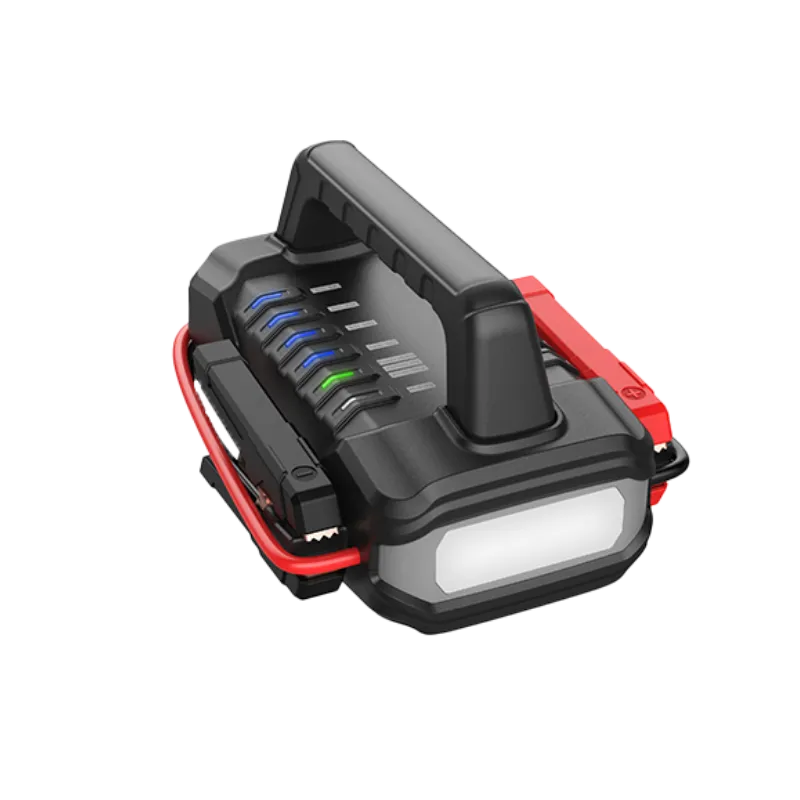







 Jump Starter ODM/OEM Solutions
 Portable Power Station ODM/OEM Solutions
 Starting Battery ODM/OEM Solutions
 ABOUT CARKU
 STRENGTH FACTORY
 THE DEVELOPMENT HISTORY OF CARKU
 CORE COMPETITIVENESS
 COMPANY CULTURE
 QUALIFICATION
 CARKU News
 CARKU Exhibitions
 CARKU Battery Applications